
Introduction
Owning a car provides convenience, but regular maintenance can become expensive. Fortunately, learning how to save money on automobile maintenance can reduce repair costs and help your vehicle last longer. Small maintenance tasks often prevent major mechanical problems. Therefore, smart vehicle care is an investment rather than an unnecessary expense.
Many drivers wait until something goes wrong before visiting a mechanic. However, this approach can lead to expensive repairs. Preventive maintenance helps identify minor problems before they become serious. It also keeps important vehicle systems working efficiently.
You do not need advanced mechanical skills to control automobile maintenance costs. Understanding your vehicle’s maintenance schedule is an excellent starting point. You can also compare service prices, monitor warning signs, and perform simple checks yourself.
Understand Your Vehicle’s Maintenance Schedule
One of the most effective ways to save money on automobile maintenance is following the manufacturer’s recommended schedule. Every vehicle has specific service intervals. These intervals are usually based on mileage, time, or driving conditions.
Your owner’s manual explains when important maintenance should be completed. It may include oil changes, filter replacements, inspections, fluid checks, and other services. Following these recommendations reduces the risk of unexpected mechanical failures.
However, avoid paying for unnecessary services. Some repair shops recommend additional work that may not be required immediately. Check your owner’s manual before approving expensive maintenance.

Pay Attention to Mileage and Time
Maintenance schedules usually depend on both mileage and time. A vehicle driven only occasionally still requires certain services. Fluids, rubber components, and batteries can deteriorate with age.
Keep a simple record of completed maintenance. This record makes future servicing easier. It also helps you avoid paying for work that was recently completed.
Change Engine Oil at the Right Time
Engine oil protects moving components and helps control engine temperature. Over time, oil becomes contaminated and loses some of its protective properties. Therefore, regular oil changes are essential for engine health.
However, changing oil more frequently than necessary can waste money. Follow the interval recommended for your specific vehicle and oil type. Driving conditions can sometimes require more frequent servicing.
Using the correct oil specification is equally important. The wrong oil may reduce engine performance or cause unnecessary wear. Always check the owner’s manual before purchasing oil.
Check Tire Pressure Regularly
Tires are another important area where simple maintenance can save money. Incorrect tire pressure increases rolling resistance. Consequently, the engine may need more energy to move the vehicle.
Proper tire pressure can also improve handling and reduce uneven tread wear. Check pressure regularly, particularly before long journeys. Use the pressure recommended by the vehicle manufacturer.
Do not rely only on visual inspection. A tire can look properly inflated while having incorrect pressure. A basic pressure gauge is inexpensive and can prevent unnecessary tire replacement.
Maintain Proper Wheel Alignment
Poor wheel alignment can cause tires to wear unevenly. It can also affect steering and handling. If your vehicle pulls to one side, have the alignment inspected.
Correct alignment can extend tire life. Therefore, it may prevent an expensive replacement sooner than expected.
Replace Air Filters When Necessary
Air filters help prevent dirt and debris from entering important engine systems. A severely clogged filter can affect engine efficiency and performance.
Replacing an air filter is often relatively simple. Depending on the vehicle, you may be able to replace it yourself. Check the maintenance schedule and inspect the filter when appropriate.
Cabin air filters also deserve attention. A clean cabin filter improves airflow through the heating and cooling system. It can also make the interior environment more comfortable.
Monitor Vehicle Fluids
Fluids play a major role in vehicle reliability. Engine oil, coolant, brake fluid, transmission fluid, and windshield washer fluid all have specific purposes.
Checking fluid levels regularly can help identify leaks early. A small leak may be inexpensive to repair. Ignoring it can eventually damage expensive components.
Look for unusual fluid stains underneath your parked vehicle. Also notice changes in fluid levels between maintenance visits. If something seems unusual, have it inspected promptly.
Learn Simple Automobile Maintenance Tasks
You can reduce maintenance costs by learning basic vehicle care. Many simple tasks do not require professional equipment.
For example, drivers can often check tire pressure, replace windshield wipers, inspect lights, and replace certain filters. These jobs can save labor charges when performed correctly.
However, do not attempt repairs beyond your knowledge. Safety-critical systems require proper expertise. Brake, suspension, electrical, and engine problems should receive professional attention when necessary.
Learning the difference between basic maintenance and complex repairs is an important part of how to save money on automobile maintenance.
Compare Mechanic and Service Prices
Repair prices can vary considerably between service providers. Therefore, obtaining more than one estimate can help you avoid unnecessary expenses.
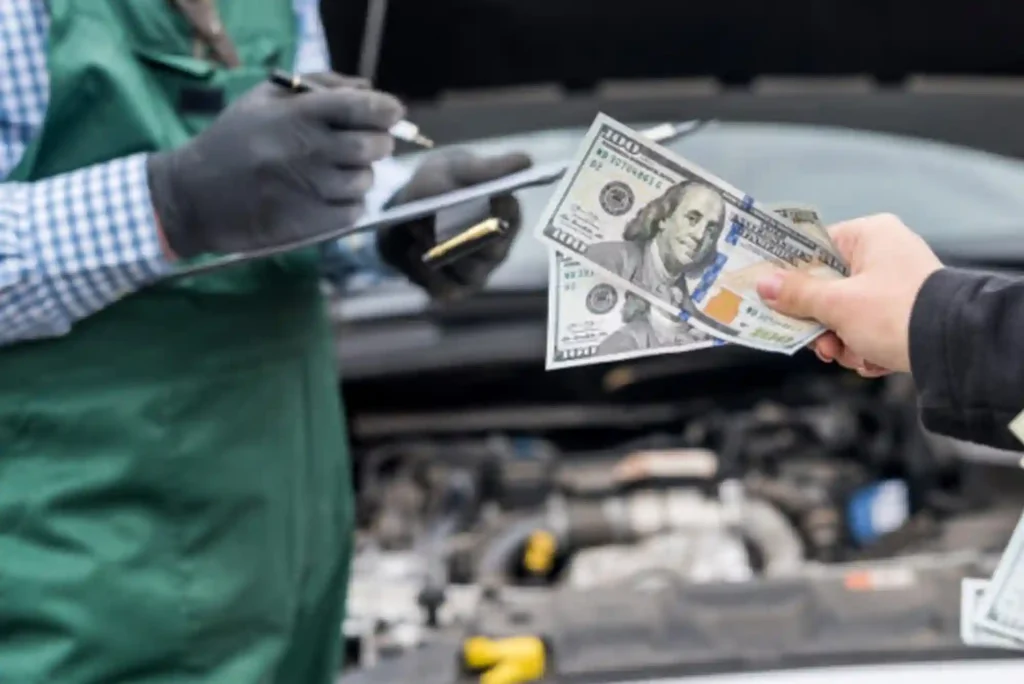
Ask for a detailed estimate before approving significant repairs. The estimate should explain parts, labor, and additional charges. A trustworthy mechanic should be comfortable explaining the recommended work.
However, the cheapest quote is not always the best choice. Extremely low prices may indicate poor-quality parts or inexperienced labor. Consider reputation, warranty coverage, experience, and overall value.
Choose Replacement Parts Carefully
Replacement parts can represent a significant portion of repair costs. Original equipment parts can be excellent, but suitable aftermarket alternatives may sometimes reduce expenses.
Ask your mechanic about available options. A quality aftermarket component can be appropriate for certain repairs. However, avoid choosing parts based solely on price.
For critical systems, quality should remain the priority. Saving money today is not worthwhile if an inferior part fails quickly.
Do Not Ignore Warning Signs
Ignoring unusual vehicle behavior is one of the easiest ways to increase repair costs. Strange noises, vibrations, warning lights, fluid leaks, or unusual smells can indicate developing problems.
Addressing these signs early can prevent additional damage. For example, replacing a worn component may cost much less than repairing the systems it damages after failure.
Pay attention when your vehicle feels different. Drivers spend considerable time with their vehicles and often notice changes before a mechanical inspection does.
Keep Your Car Clean and Protected
Cleaning your vehicle is not only about appearance. Regular cleaning can protect paint, bodywork, and interior materials from long-term damage.
Road salt, dirt, moisture, and contaminants can contribute to corrosion. This is particularly important for vehicles regularly exposed to harsh weather or poor road conditions.
Cleaning the underside of the vehicle can also help remove accumulated dirt. Additionally, parking in a garage or shaded location can reduce exposure to extreme environmental conditions.
Drive Smoothly to Reduce Wear
Driving habits can significantly influence maintenance costs. Aggressive acceleration, harsh braking, and frequent high-speed driving can increase wear on several components.
Smooth acceleration and gradual braking are generally easier on the vehicle. They can reduce stress on the engine, transmission, brakes, tires, and suspension.
Avoid unnecessary idling as well. Excessive idling wastes fuel and may contribute to unnecessary engine wear over time.
Good driving habits are therefore an important part of learning how to save money on automobile maintenance.
Replace Worn Brake Components Promptly
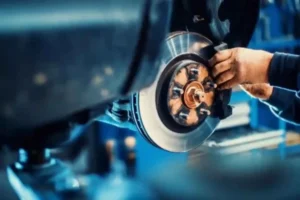
Brakes are essential for safety, so they should never be neglected. Squealing, grinding, vibrations, or changes in pedal behavior should receive attention.
Brake pads are designed to wear gradually. Replacing them before severe wear can help protect rotors and other components.
Waiting too long can turn a relatively simple brake service into a more expensive repair. Consequently, timely inspections can protect both your vehicle and your budget.
Maintain the Battery Properly
A weak battery can leave you stranded and may create additional electrical problems. Check the battery condition during routine service.
Inspect the terminals for corrosion when appropriate. Keeping connections clean can support reliable electrical contact.
Extreme temperatures can also affect battery performance. If your battery is several years old, ask a professional to test its condition rather than waiting for complete failure.
Avoid Unnecessary Repairs and Upgrades
Not every recommended repair needs immediate attention. Some services are essential for safety or reliability, while others may improve convenience or appearance.
Ask the mechanic to explain the urgency of each recommendation. Separate safety-critical repairs from preventative or optional work.
This approach helps you prioritize spending without neglecting important maintenance. It also makes repair decisions more transparent.
Build a Maintenance Budget
Unexpected repairs become easier to manage when you plan for them. Set aside a small amount regularly for vehicle maintenance.
A maintenance budget can cover routine services, tires, batteries, and unexpected repairs. This approach prevents one large repair bill from disrupting your finances.
Keep receipts and service records together. They can help you understand how much your vehicle costs over time. These records can also be useful when selling the car.
Consider the Long-Term Cost of Your Vehicle
Saving money on automobile maintenance is not simply about spending less today. It is about reducing the total cost of ownership.
A well-maintained vehicle generally has a better chance of providing reliable transportation for longer. Preventive care can also protect resale value.
When purchasing a vehicle, consider maintenance requirements before making your decision. Some models may have lower service costs, widely available parts, and more affordable repairs.
How to Save Money on Automobile Maintenance Over Time
The best strategy combines preventive care, responsible driving, and informed repair decisions. Follow the manufacturer’s schedule and monitor your vehicle between services.
Learn which maintenance tasks you can safely handle yourself. At the same time, recognize when professional assistance is necessary.
Compare repair estimates and ask questions before authorizing expensive work. Most importantly, never ignore warning signs simply because the vehicle is still running.
A few minutes spent checking tires, fluids, lights, and unusual noises can prevent expensive problems. Over several years, these small habits can produce substantial savings.
Conclusion
Understanding how to save money on automobile maintenance can make vehicle ownership more affordable and predictable. The key is preventing problems instead of waiting for expensive failures.
Follow the recommended service schedule, maintain proper tire pressure, monitor fluids, and replace worn components promptly. Also, choose reliable repair professionals and compare prices before major work.
Most importantly, treat maintenance as an investment in reliability. A little attention today can prevent significant expenses tomorrow.
Start by reviewing your vehicle’s maintenance schedule and checking its basic condition this week. Keep accurate records, address warning signs early, and make informed repair decisions. These simple habits can help your vehicle remain safer, more efficient, and dependable for years.
Frequently Asked Questions
How can I reduce my car maintenance costs?
Regular preventive maintenance is one of the best ways to reduce car maintenance costs. Follow the manufacturer’s service schedule and address small problems early. Checking tires, fluids, filters, and lights regularly can also prevent avoidable repairs.
How can I save money on car repairs?
Compare estimates from reputable repair shops before approving major work. Ask about parts, labor, warranties, and repair urgency. You can also learn simple maintenance tasks that are safe to perform yourself.
Is it cheaper to maintain a car yourself?
Some basic maintenance tasks can be cheaper when performed yourself. Examples include checking tire pressure and replacing certain filters or wiper blades. However, complex or safety-critical repairs should be handled by qualified professionals.
How often should I service my car?
Service intervals depend on the vehicle, engine, oil type, mileage, and driving conditions. The owner’s manual provides the most reliable maintenance schedule for your particular vehicle.
What happens if I do not maintain my car?
Neglected maintenance can increase wear and lead to expensive repairs. Problems with oil, brakes, tires, fluids, or cooling systems can become more serious when ignored. Regular maintenance helps protect reliability and long-term vehicle value.
Keeping your surroundings clean and well-maintained can make everyday life more comfortable, organized, and enjoyable. Whether you are looking for practical cleaning ideas, helpful maintenance advice, or simple ways to improve your daily environment, the right information can make a difference. Explore useful tips, informative guides, and practical insights at Uptogrime.com to discover easy solutions for a cleaner and better space.
Transforming Industrial Paradigms
Over the past decade, rapid technological maturation has dismantled traditional boundaries. Industry pioneers are prioritizing sustainable materials, optical network efficiency, and adaptive user interfaces.

Modernist architectural integration exemplifying passive solar cooling and sustainable timber frame structures.
The Horizon Ahead
As we look forward to the remainder of 2026, the convergence of artificial intelligence, high-efficiency energy systems, and refined physical design promises to elevate human potential to unprecedented heights.