

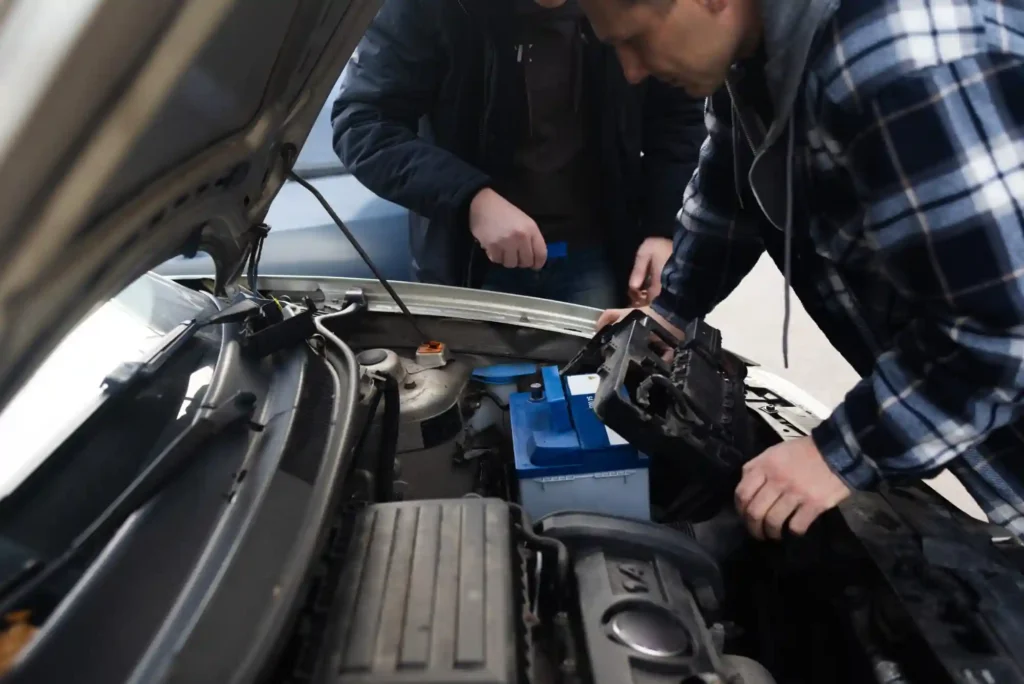
Introduction
Modern automobiles are designed to provide reliable transportation for years. However, even a well-maintained vehicle can develop problems without warning. Some issues may seem minor at first, yet they can quickly become expensive or dangerous. Knowing the Top Automobile Problems That Need Quick Attention helps drivers protect their vehicles and stay safe on the road.
Ignoring unusual sounds, warning lights, fluid leaks, or changes in handling can make matters worse. In many cases, early action can prevent a simple repair from becoming a major mechanical failure. Therefore, drivers should understand which symptoms require immediate attention.
This guide explains common automobile problems that should never be ignored. It also explains why these problems happen and what drivers should do when they appear.
Why Automobile Problems Should Not Be Ignored
Every vehicle depends on many connected systems working correctly. The engine, transmission, brakes, steering, suspension, electrical components, and cooling system all affect one another. When one component begins failing, continued driving can sometimes damage other parts.
For example, a small coolant leak may initially appear harmless. However, low coolant can cause the engine to overheat. Severe overheating may eventually damage important engine components.
Similarly, worn brake pads can reduce stopping performance. They can also damage brake rotors when ignored for too long. That is why recognizing the Top Automobile Problems That Need Quick Attention is an important part of responsible vehicle ownership.

Engine Warning Lights
An illuminated engine warning light is one of the most recognizable signs of a vehicle problem. The light can indicate anything from a loose fuel cap to a serious engine or emissions issue.
A flashing warning light deserves especially quick attention. It may indicate a serious problem that could damage the catalytic converter or other components. Continuing to drive under these conditions can increase repair costs.
A steady light should also be investigated rather than ignored. A professional diagnostic scan can identify stored fault codes and help determine the underlying cause.
Brake Problems
Brake problems are among the most serious automobile issues because they directly affect road safety. Drivers should pay attention to squealing, grinding, vibration, or unusual pedal behavior.
A soft or spongy brake pedal may indicate air or a hydraulic problem. A brake pedal that feels unusually hard can also point toward a system fault.
Grinding noises can mean that brake pads have become severely worn. At that stage, metal components may be contacting the brake rotor. This can increase repair costs and reduce braking performance.
If stopping distance increases or the vehicle pulls during braking, professional inspection should happen quickly. Brake problems should never be postponed simply because the vehicle still moves normally.
Engine Overheating
An overheating engine requires immediate attention. Temperature gauges, warning lights, steam, or a strong coolant smell can indicate excessive engine temperature.
Several problems can cause overheating. These include coolant leaks, damaged hoses, radiator problems, thermostat failure, or cooling fan issues.
Continuing to drive an overheating vehicle can cause severe engine damage. Therefore, drivers should safely stop the vehicle and allow the engine to cool.
Opening a hot radiator cap can cause serious burns. It is safer to wait until the engine has cooled before checking coolant levels.
Transmission Problems
Transmission problems often become more expensive when ignored. Early symptoms may include delayed shifting, slipping gears, unusual noises, or hesitation when accelerating.
Automatic transmissions may struggle to shift smoothly when fluid levels are low. Contaminated fluid can also affect internal components.
Manual transmissions can develop clutch-related problems. Drivers may notice difficulty changing gears or an engine that revs without a matching increase in speed.
Any significant change in shifting behavior deserves inspection. Early diagnosis may prevent further internal damage.
Unusual Engine Noises
Unusual sounds are valuable warning signs. Drivers often notice changes before a dashboard warning light appears.
Knocking sounds can indicate serious internal engine problems. Grinding may point toward damaged bearings or other mechanical components. A high-pitched squeal may come from a worn belt or pulley.
Clicking sounds can have several causes. Some are minor, while others require immediate mechanical attention.
The important point is to avoid assuming that a new noise will disappear on its own. A qualified technician can identify its source before additional damage develops.
Fluid Leaks
Fluid beneath a parked automobile should never be dismissed automatically. Different fluids can indicate different problems.
Dark brown or black fluid may be engine oil. Red or brown fluid can sometimes indicate transmission fluid. Green, orange, pink, or yellow fluid may be coolant, depending on the vehicle.
Clear water beneath the vehicle may simply be condensation from the air-conditioning system. However, unusual fluid levels or repeated leaks deserve professional inspection.
Regularly checking fluid levels can also help identify problems early. A sudden drop often indicates leakage or another mechanical issue.
Steering Problems
Steering should feel predictable and responsive. Difficulty turning, excessive play, vibration, or unusual noises can indicate steering or suspension problems.
A vehicle that pulls strongly to one side can have alignment issues. However, it may also have a tire, brake, suspension, or steering problem.
Loose steering is particularly concerning. It can reduce the driver’s ability to control the vehicle accurately.
Drivers should avoid delaying repairs when steering behavior changes suddenly. Vehicle control is too important to risk continued driving with an unknown steering fault.
Suspension Problems
The suspension system helps maintain tire contact with the road. It also contributes to handling, comfort, and braking stability.
Worn shocks or struts can cause excessive bouncing. The vehicle may also dip heavily during braking or lean noticeably during turns.
Uneven tire wear can provide another warning. Suspension components that are worn or damaged can prevent tires from contacting the road properly.
If the vehicle begins handling differently, inspection is recommended. Suspension problems can affect other components if they remain unresolved.
Battery and Electrical Problems
Electrical problems can start with simple symptoms. Slow engine cranking, dim headlights, flickering dashboard lights, or repeated starting difficulties may indicate battery or charging-system problems.
A weak battery can eventually leave a driver stranded. However, the battery may not always be the actual cause.
A failing alternator can prevent the battery from receiving sufficient charge. Loose or corroded connections can also cause electrical problems.
Drivers should investigate repeated starting issues rather than repeatedly relying on jump-starts. A proper electrical test can identify the actual source.
Tire Problems
Tires are among the most important safety components on any automobile. Low pressure, uneven wear, cracks, bulges, and damaged sidewalls require attention.
A damaged tire can fail unexpectedly, especially at higher speeds. Incorrect tire pressure can also affect braking, handling, fuel economy, and tire life.
Drivers should check tire pressure regularly. They should also inspect the tread and sidewalls for visible damage.
A tire pressure warning should not be ignored. Even if the vehicle appears to drive normally, low pressure can create additional safety risks.
Exhaust Problems
A damaged exhaust system can create unusual noises and unpleasant smells. More importantly, some exhaust problems can allow harmful gases to enter the passenger compartment.
A strong exhaust smell inside the vehicle is particularly concerning. Carbon monoxide is dangerous because it is colorless and odorless.
Drivers should have suspected exhaust leaks inspected promptly. A noisy exhaust should also be checked because damaged components can become loose or fail completely.
Oil Pressure Problems
Oil is essential for engine lubrication. If oil pressure becomes too low, internal engine components may suffer serious damage.
An oil pressure warning light should receive immediate attention. Drivers should safely stop the vehicle and follow the manufacturer’s guidance.
Driving with inadequate oil pressure can cause severe engine damage. In extreme cases, the engine can seize.
Regular oil changes and correct oil levels help reduce the risk. However, sudden pressure warnings still require immediate investigation.
Warning Signs Drivers Should Take Seriously
Some automobile symptoms are especially important because they can indicate rapidly developing problems. A flashing warning light, severe overheating, brake failure symptoms, strong fuel smells, heavy smoke, or sudden loss of steering control should never be ignored.
Likewise, major fluid leaks and serious engine noises deserve prompt attention. When a vehicle behaves differently from normal, the safest approach is to investigate the change.
Understanding the Top Automobile Problems That Need Quick Attention allows drivers to make better decisions before a small issue becomes a major failure.
How Regular Maintenance Prevents Major Problems
Preventive maintenance remains one of the most effective ways to reduce unexpected repairs. Vehicle owners should follow the manufacturer’s recommended maintenance schedule.
Oil, coolant, brake fluid, transmission fluid, and other service items should be checked according to manufacturer requirements. Filters, belts, hoses, tires, and brakes also need periodic inspection.
Regular maintenance does not eliminate every possible failure. However, it improves the chances of identifying worn components before they cause serious problems.
Drivers should also pay attention to their vehicle’s normal behavior. Knowing how the car normally sounds, feels, and responds makes unusual changes easier to recognize.
When Should You Stop Driving?
Not every vehicle problem requires an immediate tow. However, certain symptoms make continued driving unsafe.
Severe brake problems, overheating, major oil leaks, significant steering issues, heavy smoke, strong fuel odors, and serious warning lights may require stopping the vehicle.
When safety is uncertain, it is better to pull over in a safe location. Professional assistance can then determine whether the automobile can continue safely.
Trying to reach a repair shop while a serious fault is developing can increase both risk and repair costs.
Frequently Asked Questions
What are the most common automobile problems?
Common automobile problems include battery failure, tire issues, brake wear, engine warning lights, overheating, fluid leaks, and transmission problems. Regular inspections can identify many issues before they become serious.
What car problems should not be ignored?
Brake problems, overheating, oil pressure warnings, serious steering issues, major fluid leaks, and flashing dashboard warning lights should not be ignored. These problems can create safety risks or cause expensive mechanical damage.
How do I know if my car needs immediate repair?
Sudden changes in braking, steering, engine temperature, acceleration, or transmission behavior can indicate an urgent problem. Warning lights, smoke, unusual smells, and serious mechanical noises also deserve prompt inspection.
Is it safe to drive with the check engine light on?
It depends on the warning light and vehicle behavior. A steady light may allow limited driving, but it should be diagnosed soon. A flashing check engine light generally requires immediate attention.
How can I prevent major automobile problems?
Following the manufacturer’s maintenance schedule is an effective starting point. Regular fluid checks, tire inspections, oil changes, brake inspections, and prompt repairs can help prevent larger failures.
Keeping your surroundings clean and well-maintained can make everyday life more comfortable, organized, and enjoyable. Whether you are looking for practical cleaning ideas, helpful maintenance advice, or simple ways to improve your daily environment, the right information can make a difference. Explore useful tips, informative guides, and practical insights at Uptogrime.com to discover easy solutions for a cleaner and better space.
Conclusion
Understanding the Top Automobile Problems That Need Quick Attention can help drivers protect their vehicles and themselves. Small warning signs often provide an opportunity to address problems before they become expensive or dangerous.
Transforming Industrial Paradigms
Over the past decade, rapid technological maturation has dismantled traditional boundaries. Industry pioneers are prioritizing sustainable materials, optical network efficiency, and adaptive user interfaces.

Modernist architectural integration exemplifying passive solar cooling and sustainable timber frame structures.
The Horizon Ahead
As we look forward to the remainder of 2026, the convergence of artificial intelligence, high-efficiency energy systems, and refined physical design promises to elevate human potential to unprecedented heights.