
Introduction
Staying updated with furniture trends is essential for homeowners who want to combine comfort with style. Furniture not only enhances a home’s aesthetic appeal but also reflects personal taste and lifestyle. Modern homeowners are no longer just looking for functional pieces—they seek furniture that blends innovation, sustainability, and timeless design. Understanding the current trends allows you to create a space that feels contemporary while remaining practical. From the growing popularity of sustainable materials to the integration of multifunctional designs, the latest furniture trends are redefining home interiors. This guide highlights key trends that every homeowner should know to stay ahead in home design.
Sustainable and Eco-Friendly Furniture
Sustainability has become a significant factor in furniture choices. Eco-conscious homeowners now prioritize materials that minimize environmental impact. Reclaimed wood, bamboo, and recycled metals are increasingly popular, providing both durability and an organic aesthetic. Designers are incorporating eco-friendly finishes that reduce harmful chemicals, making furniture safer for indoor use. Beyond materials, the production process also focuses on energy efficiency and waste reduction. Investing in sustainable furniture not only benefits the planet but also adds unique, character-rich pieces to your home. Many brands now offer transparency about sourcing and manufacturing, allowing homeowners to make informed, responsible choices without compromising on style.
Multifunctional and Space-Saving Designs
Modern living often requires furniture that maximizes space without sacrificing comfort. Multifunctional furniture is a key trend, especially in urban apartments and smaller homes. Pieces like extendable dining tables, sofa beds, and storage ottomans combine multiple functions into a single design. This trend goes beyond practicality; it encourages creative interior layouts and minimalistic living. Furniture that adapts to changing needs is highly sought after, making homes more flexible and efficient. Homeowners are embracing modular designs that can be rearranged or expanded, providing the freedom to personalize living spaces. By choosing multifunctional furniture, homeowners achieve both convenience and a modern aesthetic, reflecting thoughtful design in every corner.
Minimalist Aesthetics with Clean Lines
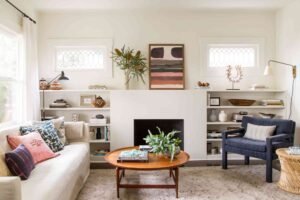
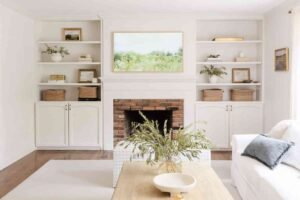
Minimalism continues to dominate interior design, emphasizing simplicity and functionality. Clean lines, neutral colors, and uncluttered designs create spaces that feel calm and inviting. Minimalist furniture prioritizes quality over quantity, focusing on pieces that serve both practical and decorative purposes. This trend encourages homeowners to choose timeless designs that remain relevant across changing styles. Furniture with sleek silhouettes and understated elegance enhances natural light and open spaces, making rooms appear larger and more organized. Minimalist interiors often feature multifunctional pieces, enhancing their practicality. By integrating minimalist furniture, homeowners achieve a sophisticated, serene environment that balances aesthetics and usability.
Bold Colors and Statement Pieces
While minimalism emphasizes subtlety, bold colors and statement furniture have also emerged as key trends. Vibrant sofas, accent chairs, or eye-catching coffee tables can serve as focal points in a room. Colorful furniture allows homeowners to express personality while breaking the monotony of neutral palettes. Designers often mix bold hues with muted tones to maintain harmony and avoid overwhelming a space. Statement pieces can range from sculptural chairs to oversized ottomans or intricately designed shelving units. Incorporating these pieces encourages creativity and adds visual interest, making interiors more dynamic. The right balance between statement furniture and complementary decor creates an engaging, stylish environment.
Natural Materials and Organic Textures
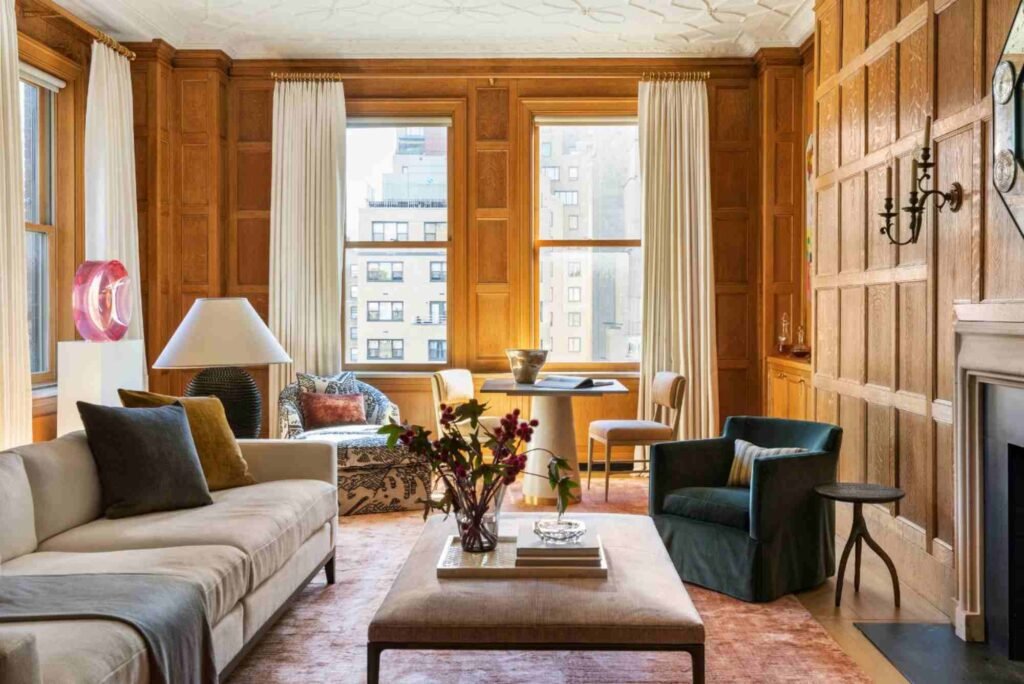
The use of natural materials has seen a resurgence, reflecting a desire for warmth and authenticity. Wood, stone, leather, and linen add texture and depth to interiors, creating a tactile connection with the environment. Organic textures bring comfort and sophistication while harmonizing with other design elements. Handcrafted furniture, highlighting imperfections and craftsmanship, is increasingly valued by homeowners who appreciate individuality. Combining different natural textures can enhance the sensory experience, making spaces inviting and visually appealing. This trend also aligns with sustainable living, as natural materials are often eco-friendly and long-lasting. Integrating organic textures ensures that your home feels both modern and naturally elegant.

Curved and Soft Furniture Shapes
Soft, curved furniture has become a defining trend in modern interiors. From rounded sofas to arched chairs and circular tables, these shapes create a sense of fluidity and comfort. Curved designs offer a subtle contrast to rigid architectural lines, making rooms feel more relaxed and approachable. This trend focuses on ergonomic comfort, ensuring that furniture is not only stylish but also practical for everyday use. Curved pieces often serve as conversation starters, adding visual interest while enhancing functionality. By embracing rounded furniture, homeowners can soften the overall look of their interiors, balancing modern minimalism with a cozy, welcoming vibe.
Mixing Vintage with Modern Pieces
Blending vintage and contemporary furniture allows homeowners to curate unique interiors that reflect personality and history. Antique chairs, retro lighting, or reclaimed tables paired with modern minimalist pieces create dynamic, eclectic spaces. This trend celebrates individuality, allowing homeowners to showcase memorable, timeless designs alongside cutting-edge furniture. Mixing styles requires a thoughtful approach to ensure cohesion, such as aligning color schemes or maintaining complementary textures. This trend not only promotes sustainability through reuse but also adds depth and narrative to home design. By integrating vintage with modern furniture, homeowners achieve a sophisticated balance between nostalgia and current trends.
Technology-Integrated Furniture
Smart furniture is transforming modern homes, combining design with technology for enhanced convenience. Desks with built-in charging ports, beds with adjustable settings, and modular sofas with integrated lighting exemplify this trend. Technology-integrated furniture allows for seamless daily routines, providing comfort and efficiency without compromising aesthetics. Homeowners increasingly value smart solutions that enhance productivity and lifestyle, from voice-activated systems to ergonomic innovations. The fusion of technology and design ensures that furniture remains functional in evolving lifestyles. Investing in tech-enabled furniture creates a modern, connected home that anticipates future needs while maintaining style and sophistication.
Artisanal and Handcrafted Details
Handcrafted furniture continues to gain popularity, reflecting a desire for individuality and authenticity. Artisanal pieces, whether carved wooden tables or handwoven chairs, showcase skill and tradition. Homeowners are drawn to furniture that tells a story, offering unique details that mass-produced pieces cannot replicate. Craftsmanship emphasizes quality and longevity, making these items valuable investments. Handcrafted furniture complements both modern and classic interiors, providing texture, character, and charm. This trend supports local artisans and sustainable production, making it a meaningful choice for homeowners who value ethical consumption. Integrating artisanal pieces ensures your home feels personal, curated, and timeless.
Textured Fabrics and Upholstery Trends
Upholstery trends have shifted toward rich textures and tactile fabrics. Velvet, boucle, and leather remain popular, offering depth and comfort. These materials not only enhance aesthetic appeal but also contribute to the sensory experience of a room. Homeowners are exploring a mix of soft and firm fabrics, balancing comfort with structure. Bold patterns and contrasting textures add personality and sophistication, elevating everyday furniture. Attention to fabric choice impacts both durability and ambiance, making it an essential consideration in furniture selection. Textured upholstery adds warmth, elegance, and a sense of luxury, allowing homeowners to create inviting and visually engaging interiors.
Flexible and Modular Storage Solutions
Storage solutions are evolving beyond traditional cabinets and shelves. Modular storage systems allow homeowners to customize layouts according to space and needs. Open shelving, stackable units, and hidden compartments maximize efficiency while maintaining a clean, modern look. This trend reflects the need for organized, clutter-free spaces without compromising design. Flexibility in storage also supports multifunctional furniture, enabling rooms to adapt to changing lifestyles. Whether in living rooms, kitchens, or bedrooms, modular storage enhances both functionality and aesthetic appeal. Homeowners can create personalized storage solutions that blend seamlessly with their interiors, promoting practicality and style.
Keeping up with furniture trends allows homeowners to design spaces that are functional, stylish, and reflective of personal taste. The modern home emphasizes sustainability, multifunctionality, and aesthetic versatility. By incorporating sustainable materials, bold statement pieces, curved shapes, and technology-integrated furniture, homeowners can elevate their living spaces. Trends like minimalist designs, artisanal craftsmanship, and textured upholstery ensure interiors remain contemporary yet timeless. Being aware of these trends enables homeowners to make informed decisions, combining comfort, practicality, and style. Investing in trend-conscious furniture not only enhances your home’s visual appeal but also ensures your interiors stay modern and inviting for years to come. Update your home today with the latest furniture trends and experience a space that truly reflects your lifestyle and taste.
Transforming a compact room into a visually spacious and inviting area can feel like a challenge, but with the right strategies, it’s entirely achievable. From clever use of light and color to multifunctional furniture and smart layout choices, small space decor tips for making rooms look bigger can help you maximize every square inch without compromising style.
FAQs
What are the latest furniture trends for 2026?
The latest trends include sustainable materials, multifunctional furniture, curved shapes, bold colors, and technology-integrated designs.
How can I make my home stylish with minimal furniture?
Focus on clean lines, multifunctional pieces, quality over quantity, and a cohesive color palette to maintain a minimalist aesthetic.
Which materials are trending for furniture in modern homes?
Reclaimed wood, bamboo, leather, stone, and recycled metals are highly popular, combining durability with eco-friendliness.
Are multifunctional furniture pieces practical for small homes?
Yes, multifunctional furniture maximizes space without sacrificing style, making it ideal for apartments and small living areas.
How do I blend vintage and modern furniture successfully?
Mix styles by matching color schemes, maintaining complementary textures, and balancing statement pieces with minimalist designs for cohesion.
Transforming Industrial Paradigms
Over the past decade, rapid technological maturation has dismantled traditional boundaries. Industry pioneers are prioritizing sustainable materials, optical network efficiency, and adaptive user interfaces.

Modernist architectural integration exemplifying passive solar cooling and sustainable timber frame structures.
The Horizon Ahead
As we look forward to the remainder of 2026, the convergence of artificial intelligence, high-efficiency energy systems, and refined physical design promises to elevate human potential to unprecedented heights.