
Introduction
Decorating a small space can feel challenging, but with the right approach, even the tiniest room can feel open, inviting, and stylish. The key is to combine functionality with design techniques that create the illusion of space. Small space decor is not just about minimizing clutter; it’s about using smart strategies to enhance natural light, improve flow, and emphasize scale. By focusing on these elements, you can make your rooms feel significantly larger without compromising comfort or style.
Embrace Light Colors for Walls and Furniture
Light colors play a crucial role in making a room feel more expansive. Shades such as white, cream, pale gray, and soft pastels reflect light, creating a sense of openness. For walls, a crisp white or muted beige can visually expand boundaries. Furniture in similar hues avoids breaking up the visual field, which keeps the space continuous and airy. Adding subtle accents in soft colors or metallic finishes can add personality without overwhelming the room. Light-colored decor creates a blank canvas that allows other design elements to shine and gives the room an uncluttered appearance.
Use Mirrors to Create Depth
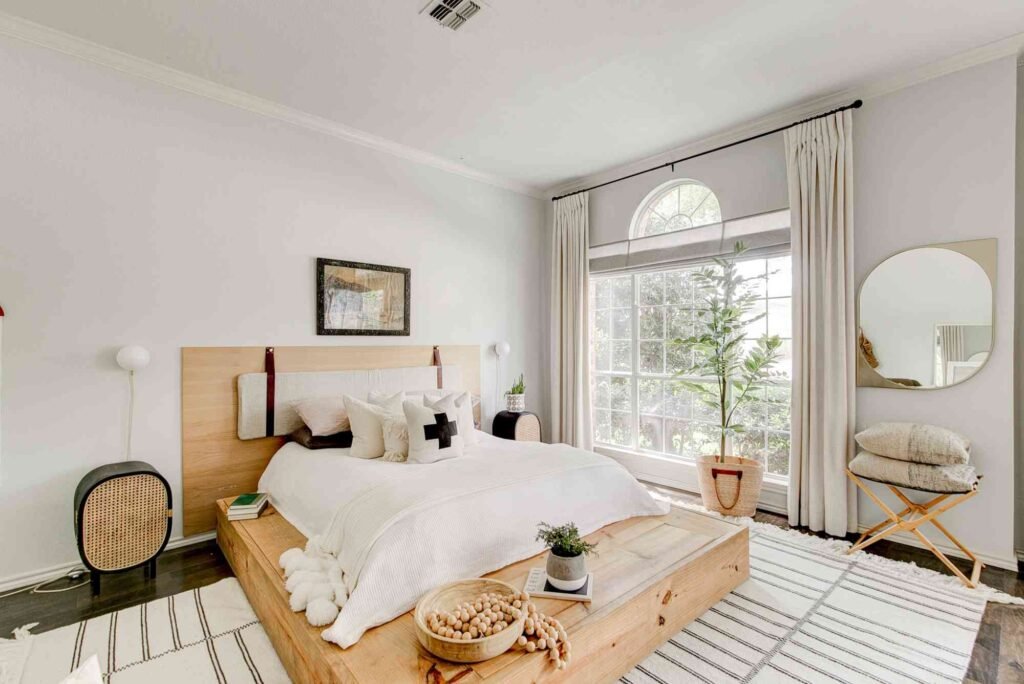
Mirrors are one of the most effective tools for small space decor. By reflecting both natural and artificial light, mirrors make rooms feel brighter and more spacious. Large wall mirrors or mirrored furniture pieces can add depth and visual interest. Strategically placing a mirror across from a window doubles the perceived natural light, instantly enhancing the room’s openness. Even smaller mirrors with creative frames can act as design features while contributing to the feeling of extra space. Mirrors help trick the eye, making tight corners feel less confining and narrow hallways appear wider.
Maximize Natural Light
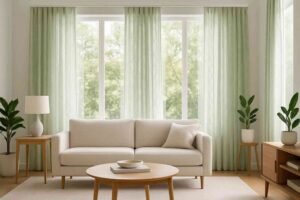
Natural light is essential for making rooms appear larger. Heavy drapes or dark curtains can absorb light and make spaces feel cramped. Instead, opt for sheer curtains or blinds that allow sunlight to filter through. Keeping windows unobstructed and placing light furniture or reflective decor near them enhances brightness. Using light-colored window treatments also contributes to a sense of height and airiness. In rooms with limited windows, incorporating glass doors or even skylights can amplify natural light and make the space feel more open. The brighter the room, the more spacious it feels.
Smart Furniture Selection and Arrangement
Choosing the right furniture is critical for small space decor. Multipurpose furniture, such as sofa beds, storage ottomans, and foldable tables, can maximize functionality while minimizing clutter. Opt for furniture with exposed legs rather than bulky bases, which visually lifts the piece off the floor and creates a sense of openness. When arranging furniture, avoid overcrowding by leaving clear pathways that allow easy movement. Floating furniture slightly away from walls instead of pushing everything against them can create a perception of more space. Keeping furniture proportional to the room size prevents it from dominating the layout.
Vertical Space Utilization
In small rooms, using vertical space is a game-changer. Tall shelves, wall-mounted cabinets, and high hooks take advantage of unused height while keeping the floor area clear. Vertical decor draws the eye upward, creating the illusion of higher ceilings. Floating shelves can display decorative items without overwhelming the room, and vertical storage solutions reduce clutter, keeping the room organized and airy. Adding vertical patterns in wallpaper or artwork can reinforce this perception, making walls appear taller than they are.

Incorporate Transparent and Reflective Materials
Furniture and decor made from transparent or reflective materials help maintain an open feel. Acrylic chairs, glass tables, and light-reflective metallic accents allow light to pass through, preventing visual obstruction. Transparent furniture blends seamlessly with the surroundings, making the space feel less crowded. Reflective surfaces not only bounce light but also add a modern, polished look. Combining these materials with light colors enhances the room’s spaciousness without sacrificing style or comfort.
Declutter Strategically
Clutter can instantly make a small room feel confined, no matter the design. Prioritizing storage and minimizing unnecessary items is essential for small space decor. Hidden storage solutions, such as under-bed drawers, built-in cabinets, or storage benches, keep everyday items organized. Regularly assessing what you truly need in the room helps maintain a tidy, visually appealing environment. A clutter-free space enhances the perception of size, allowing design elements like mirrors, furniture, and color schemes to shine. Strategic decluttering is not just about removing things; it’s about creating breathing space for your room to feel open.
Use Rugs to Define Areas
Rugs are a powerful tool for small spaces, helping define zones and create visual flow. In open-plan rooms, placing a rug under seating or dining areas anchors the space and makes it feel structured. Choosing rugs in lighter colors or subtle patterns prevents the floor from looking fragmented. For narrow rooms, placing rugs lengthwise can guide the eye, enhancing the sense of depth. Layering a few small rugs in complementary colors can add texture and interest while maintaining a cohesive and spacious look.
Opt for Minimalistic and Functional Decor
In small spaces, less is often more. Overloading a room with decorative items can feel chaotic. Instead, focus on select statement pieces that provide personality without clutter. Minimalistic decor, such as a few curated artworks, sleek lighting, or carefully chosen accents, maintains a sense of openness. Functional decor, like stylish storage baskets or multifunctional furniture, combines aesthetics with practicality. A minimalist approach not only highlights key design elements but also makes every item in the room purposeful, contributing to the perception of space.
Play with Patterns and Scale
Patterns can enhance small space decor when used thoughtfully. Vertical stripes on walls or curtains create the illusion of height, while large-scale patterns on a single wall act as a focal point without overwhelming the room. Avoid using overly busy or dark patterns, as they can make the space feel confined. Using patterns selectively, such as on cushions, artwork, or rugs, adds interest while maintaining a sense of openness. The scale of furniture and decor should also match the room size. Oversized furniture can dominate, while compact pieces maintain balance and proportionality.
Incorporate Open Shelving and Floating Elements
Open shelving is a practical and stylish solution for small spaces. It prevents the room from feeling boxed in, unlike bulky closed cabinets. Floating shelves, wall-mounted desks, and hanging storage provide surface area without sacrificing floor space. Open shelving also encourages organized display, making items easier to access and visually lighter. When combined with light colors and decorative accents, these floating elements can add depth and dimension, reinforcing the feeling of an airy, larger room.
Layer Lighting for Spaciousness
Lighting is crucial for small space decor. Combining different types of lighting, including ambient, task, and accent lighting, enhances the room’s depth. Wall sconces and floor lamps free up table space, while recessed lighting brightens the area evenly. Placing light sources at different levels prevents shadows that can make rooms appear smaller. A well-lit room feels more open, inviting, and comfortable. Incorporating dimmers adds flexibility, allowing you to adjust lighting according to mood and time of day, further improving the perception of space.
Bring Nature Indoors
Plants are a simple yet effective way to make small spaces feel vibrant and alive. Vertical gardens, hanging planters, or small potted plants introduce natural elements without taking up much floor space. Greenery adds color and texture while creating a calming atmosphere. Plants near windows or on shelves can visually soften corners and draw attention upward, enhancing the room’s perceived height. Integrating natural elements complements light colors and reflective surfaces, reinforcing the sense of openness and freshness.
Decorating small spaces requires a strategic approach that balances style with functionality. By incorporating light colors, mirrors, natural light, multifunctional furniture, and vertical elements, you can create rooms that feel bigger, brighter, and more inviting. Minimalistic decor, thoughtful patterns, and layered lighting further enhance the illusion of space. Every choice, from furniture to storage solutions, contributes to making the most of your room without compromising comfort or personality. Small space decor is an opportunity to be creative, turning limitations into design advantages. Transform your compact areas today with these practical tips and enjoy open, stylish, and functional rooms.
Discover the latest trends, guides, and insights at UpToGrime! Whether you’re looking for expert tips, engaging content, or fresh ideas, our site is your go-to hub. Stay updated and explore a world of inspiration today by visiting our homepage for more!
FAQs
How can I make a small room look bigger with furniture?
Use multifunctional furniture with exposed legs, avoid overcrowding, and leave pathways clear. Floating furniture slightly away from walls also helps.
What colors make small spaces appear larger?
Light colors like white, cream, pale gray, and soft pastels reflect light, creating a more open and airy feel.
Can mirrors really make a room feel bigger?
Yes, mirrors reflect light and create depth, making rooms appear more spacious and brighter.
How do I use vertical space effectively?
Install tall shelves, wall-mounted cabinets, and hooks to draw the eye upward and free up floor space.
What kind of lighting is best for small rooms?
Layered lighting, including ambient, task, and accent lighting, evenly illuminates the room and enhances depth.
Is clutter a major factor in small space decor?
Absolutely. Keeping items organized and using hidden storage solutions helps maintain a clean, open, and spacious appearance.
Can plants help make a small room feel bigger?
Yes, vertical gardens, hanging planters, and small potted plants add texture and freshness without consuming floor space.
What patterns work well in small spaces?
Subtle vertical stripes, large focal patterns on a single wall, or small-scale patterns on accents prevent visual clutter while enhancing spaciousness.
Transforming Industrial Paradigms
Over the past decade, rapid technological maturation has dismantled traditional boundaries. Industry pioneers are prioritizing sustainable materials, optical network efficiency, and adaptive user interfaces.

Modernist architectural integration exemplifying passive solar cooling and sustainable timber frame structures.
The Horizon Ahead
As we look forward to the remainder of 2026, the convergence of artificial intelligence, high-efficiency energy systems, and refined physical design promises to elevate human potential to unprecedented heights.