

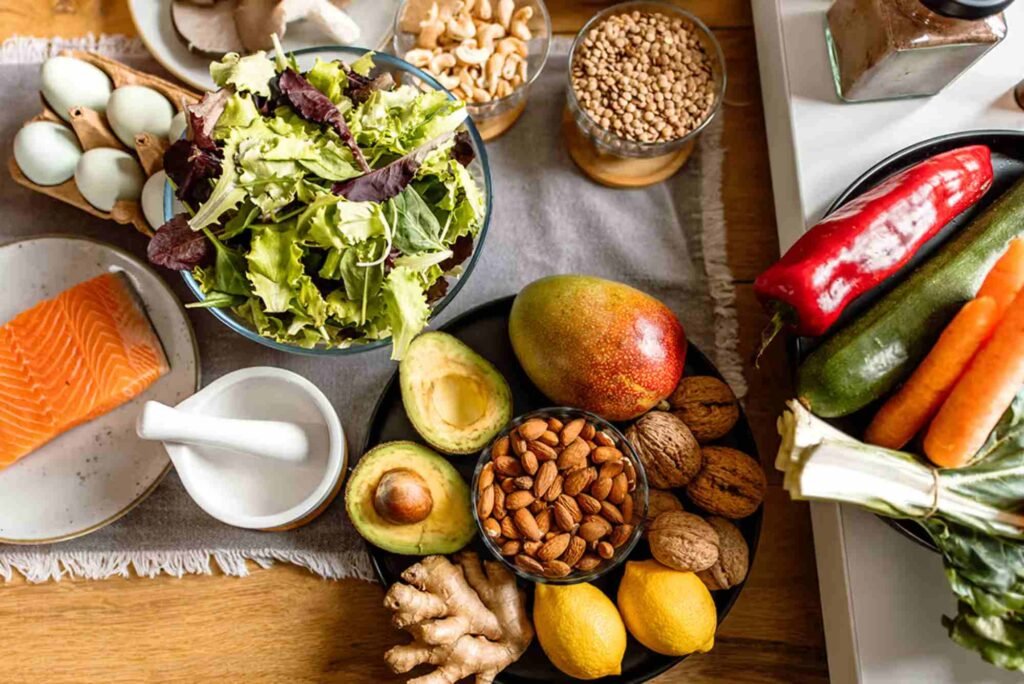
Introduction
Inflammation is the body’s natural response to injury, infection, or stress. While short-term inflammation helps heal wounds and fight infections, chronic inflammation can contribute to diseases like diabetes, heart disease, arthritis, and even certain cancers. Fortunately, the foods we eat play a crucial role in managing inflammation. By incorporating anti-inflammatory foods into your daily diet, you can reduce inflammation, improve overall health, and support long-term wellness.
A balanced anti-inflammatory diet includes a variety of nutrients, antioxidants, and healthy fats. These foods work at a cellular level to protect tissues, reduce oxidative stress, and improve immune function. Incorporating them doesn’t require drastic changes but focusing on whole, natural, and nutrient-rich options can make a significant difference.
Understanding Anti-Inflammatory Foods
Anti-inflammatory foods are rich in compounds like polyphenols, omega-3 fatty acids, vitamins, and minerals that help combat oxidative stress. These substances reduce the production of inflammatory molecules and protect the body against cellular damage. Foods with anti-inflammatory properties often support heart health, brain function, joint flexibility, and digestive wellness.
Eating anti-inflammatory foods is not just about reducing pain or swelling; it’s about enhancing your body’s natural ability to heal and maintain optimal health. Regularly consuming these foods can improve energy levels, support weight management, and even enhance mood. Understanding which foods offer these benefits is the first step to a healthier lifestyle.
Fruits and Vegetables for Fighting Inflammation
Colorful fruits and vegetables are among the most effective anti-inflammatory foods. They are naturally rich in antioxidants, fiber, and essential vitamins that help neutralize free radicals and prevent chronic inflammation. Foods like berries, oranges, and cherries contain anthocyanins, flavonoids, and vitamin C, which help regulate inflammatory pathways and protect blood vessels.
Leafy greens like spinach, kale, and Swiss chard are packed with vitamin K, magnesium, and antioxidants. They promote heart health and help lower levels of inflammatory markers. Cruciferous vegetables such as broccoli, cauliflower, and Brussels sprouts contain sulforaphane, a powerful compound that reduces inflammation at a molecular level. Consuming a variety of fruits and vegetables ensures a wide range of protective compounds that enhance overall wellness.

Healthy Fats and Oils
Healthy fats play a pivotal role in managing inflammation. Omega-3 fatty acids, found in fatty fish like salmon, mackerel, and sardines, are particularly effective in reducing inflammatory proteins in the body. These fats support heart health, brain function, and joint flexibility. Plant-based sources like flaxseeds, chia seeds, and walnuts also provide essential omega-3s, making them excellent additions to a balanced diet.
Extra virgin olive oil is another anti-inflammatory powerhouse. It contains oleocanthal, a compound with effects similar to non-steroidal anti-inflammatory drugs. Regular use of olive oil in cooking or salad dressings can significantly reduce inflammatory markers. Avocados, rich in monounsaturated fats and antioxidants, also help combat inflammation while supporting skin and heart health.
Spices and Herbs
Certain spices and herbs contain natural anti-inflammatory compounds that enhance flavor and support health. Turmeric, for instance, contains curcumin, a compound well-studied for its ability to reduce inflammation and oxidative damage. Combining turmeric with black pepper improves absorption, making it even more effective.
Ginger, cinnamon, garlic, and cloves are additional spices that help regulate inflammatory responses. Ginger contains gingerol, which can alleviate joint pain and improve digestion. Garlic has sulfur compounds that boost immune function and reduce inflammation. Incorporating these spices into meals not only improves taste but also provides powerful health benefits.
Whole Grains and Legumes
Refined grains often promote inflammation, but whole grains such as oats, quinoa, brown rice, and barley provide fiber, vitamins, and minerals that reduce inflammatory markers. Fiber helps regulate blood sugar, supports gut health, and maintains a healthy weight, all of which contribute to lower inflammation.
Legumes like lentils, chickpeas, and black beans are excellent sources of protein and fiber while being low in fat. They help stabilize blood sugar, reduce cholesterol, and support digestive health. Regular consumption of whole grains and legumes creates a foundation for an anti-inflammatory lifestyle that promotes overall wellness.
Nuts and Seeds
Nuts and seeds are nutrient-dense and rich in healthy fats, fiber, and antioxidants. Almonds, walnuts, and pistachios contain polyunsaturated fats that reduce inflammation and support cardiovascular health. Seeds such as flaxseeds, chia seeds, and sunflower seeds provide essential fatty acids, magnesium, and vitamin E, all known for their anti-inflammatory properties.
Eating a small portion of nuts or seeds daily can help manage inflammation, enhance energy, and improve brain function. They are also convenient snacks that offer sustained satiety without triggering blood sugar spikes. Incorporating these foods ensures a steady intake of nutrients that protect against chronic disease.
Beverages That Reduce Inflammation
Beverages can also contribute to anti-inflammatory health. Green tea contains polyphenols, particularly epigallocatechin gallate (EGCG), which protects cells from damage and reduces inflammatory processes. Regular consumption of green tea may lower the risk of chronic diseases and improve metabolic health.
Other beverages like turmeric tea, ginger tea, and certain herbal infusions provide antioxidants and anti-inflammatory compounds that support joint and digestive health. Staying hydrated with water infused with lemon, berries, or cucumber can also reduce inflammation and improve overall wellness.
The Role of Lifestyle Alongside Anti-Inflammatory Foods
While eating anti-inflammatory foods is essential, combining them with healthy lifestyle habits maximizes benefits. Regular exercise, stress management, adequate sleep, and avoiding processed foods and excessive sugar enhance the anti-inflammatory effects of your diet.
Chronic stress and lack of sleep increase inflammatory markers, counteracting the benefits of healthy eating. Mindful practices such as yoga, meditation, and deep breathing complement an anti-inflammatory diet by supporting hormonal balance and immune function. By integrating nutrition and lifestyle, you create a comprehensive approach to long-term health.
Anti-inflammatory foods are powerful tools for improving overall health, protecting against chronic diseases, and enhancing quality of life. Incorporating a variety of fruits, vegetables, healthy fats, whole grains, nuts, seeds, and spices ensures your body receives essential nutrients that reduce inflammation. Combined with a balanced lifestyle, these foods support immunity, energy, and vitality. Take control of your health today by making anti-inflammatory choices a daily habit and notice the long-term benefits for your body and mind.
Craving a culinary adventure without leaving your home? Discover the most delicious and iconic dishes from every corner of the globe in our guide to top street foods from around the world. From spicy tacos to savory dumplings, this list will take your taste buds on an unforgettable journey.
FAQs
What are anti-inflammatory foods?
Anti-inflammatory foods are natural foods rich in compounds that reduce chronic inflammation and oxidative stress in the body.
How can I include anti-inflammatory foods in my diet?
Incorporate colorful vegetables, fatty fish, nuts, seeds, whole grains, and spices like turmeric and ginger into meals daily.
Can anti-inflammatory foods help with joint pain?
Yes, foods rich in omega-3s, antioxidants, and polyphenols may reduce joint stiffness and pain caused by inflammation.
Are there beverages that reduce inflammation?
Yes, green tea, turmeric tea, and herbal infusions have anti-inflammatory properties that support overall health.
How long does it take to see benefits from an anti-inflammatory diet?
Effects vary, but many people notice improvements in energy, digestion, and joint comfort within a few weeks of consistent healthy eating.
Do anti-inflammatory foods help with heart health?
Absolutely, they can lower cholesterol, improve blood pressure, and protect blood vessels from damage caused by chronic inflammation.
Transforming Industrial Paradigms
Over the past decade, rapid technological maturation has dismantled traditional boundaries. Industry pioneers are prioritizing sustainable materials, optical network efficiency, and adaptive user interfaces.

Modernist architectural integration exemplifying passive solar cooling and sustainable timber frame structures.
The Horizon Ahead
As we look forward to the remainder of 2026, the convergence of artificial intelligence, high-efficiency energy systems, and refined physical design promises to elevate human potential to unprecedented heights.