
Introduction
Learning how to mix colors and textures in home decoration can completely transform the look and feel of your living space. Colors bring personality and mood, while textures add depth and warmth. When used together correctly, they create rooms that feel balanced, welcoming, and visually appealing.
Many homeowners struggle to combine different shades and materials without making a room feel overwhelming. The good news is that decorating with colors and textures does not require professional design experience. With a few simple principles, anyone can create a harmonious interior that reflects personal style.
Understanding how to mix colors and textures in home decoration helps you avoid flat and boring spaces. It also allows you to add character without overcrowding a room. Whether your style is modern, traditional, rustic, or contemporary, the right combination can make your home look more polished and comfortable.
Understanding the Relationship Between Color and Texture
Before exploring decorating techniques, it is important to understand how color and texture work together. Color affects how people perceive a room. Light shades often make spaces appear larger and brighter, while darker shades create intimacy and warmth.
Texture influences how a room feels visually and physically. Soft fabrics create comfort, while rough materials add character and interest. Even when two items share the same color, different textures can make them appear completely different.
When considering how to mix colors and textures in home decoration, think of texture as a way to enhance your chosen color palette. A neutral room can become more inviting through layered materials, while colorful spaces gain balance through carefully selected textures.

Start with a Strong Color Foundation
A successful decorating plan begins with a cohesive color scheme. Choosing a foundation color creates consistency throughout the room and makes future decorating decisions easier.
Neutral shades remain popular because they provide flexibility. White, beige, cream, gray, and soft taupe serve as excellent backgrounds for textured elements. These colors allow furniture, fabrics, and accessories to stand out naturally.
If you prefer bold interiors, select one dominant color and build around it. Rich blues, earthy greens, and warm terracotta tones work beautifully when paired with complementary textures. Keeping a consistent palette prevents the room from feeling chaotic.
One of the most effective ways to master how to mix colors and textures in home decoration is to limit your palette while expanding your range of materials.
Creating Depth Through Layered Textures
Texture is what gives a room dimension. Without it, even a beautifully colored space can appear flat and uninspiring. Layering textures creates visual interest and encourages people to engage with the environment.
Imagine a living room featuring a smooth leather sofa. Adding a knitted throw blanket instantly softens the appearance. Introducing velvet cushions creates another layer of texture. A woven rug beneath the seating area adds even more depth.
The result is a room that feels complete and inviting. Each texture contributes something unique while supporting the overall design.
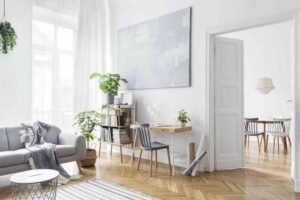
When applying how to mix colors and textures in home decoration, focus on combining contrasting materials. Smooth surfaces pair well with rough elements, while soft fabrics complement harder finishes such as wood, metal, or stone.
Using Natural Materials for Balance
Natural materials provide some of the easiest ways to combine color and texture successfully. Wood, linen, cotton, wool, stone, bamboo, and rattan introduce organic beauty into any room.
Wood furniture adds warmth and timeless appeal. Linen curtains create a relaxed atmosphere. Stone surfaces contribute texture and durability. Indoor plants bring natural color while softening the appearance of structured furnishings.
These materials work together because they share an authentic quality. They feel comfortable rather than forced. As a result, natural textures often help homeowners achieve balance without excessive effort.
Those learning how to mix colors and textures in home decoration often find that incorporating natural elements instantly improves the overall aesthetic of a room.
Matching Colors with Different Textures
Certain colors naturally respond well to specific textures. Soft neutral shades frequently look best when paired with tactile fabrics such as wool, cotton, or boucle. These combinations create warmth and comfort.
Darker colors often benefit from luxurious textures. Deep navy, charcoal, and forest green appear more sophisticated when used alongside velvet, leather, or polished wood.
Lighter colors can also gain depth through texture. White walls paired with woven baskets, textured rugs, and layered fabrics feel far more inviting than plain white surfaces alone.
Understanding these relationships helps create interiors that feel intentional rather than random. Every design element supports the overall atmosphere you want to achieve.
Balancing Warm and Cool Elements
One of the most important aspects of how to mix colors and textures in home decoration is balancing warm and cool tones. A room that leans too heavily in one direction may feel uncomfortable or unbalanced.
Warm colors include shades of red, orange, yellow, and brown. Cool colors include blue, green, gray, and certain whites. Combining both creates visual harmony.
For example, a cool gray room becomes more inviting when paired with warm wood furniture and textured beige fabrics. Similarly, warm beige walls can feel refreshed through cool blue accessories and soft woven materials.
The goal is not to create perfect symmetry. Instead, aim for a natural balance that feels pleasant and welcoming.
Enhancing Style Through Patterns
Patterns act as visual textures and contribute significantly to interior design. They add movement, energy, and personality without requiring additional colors.
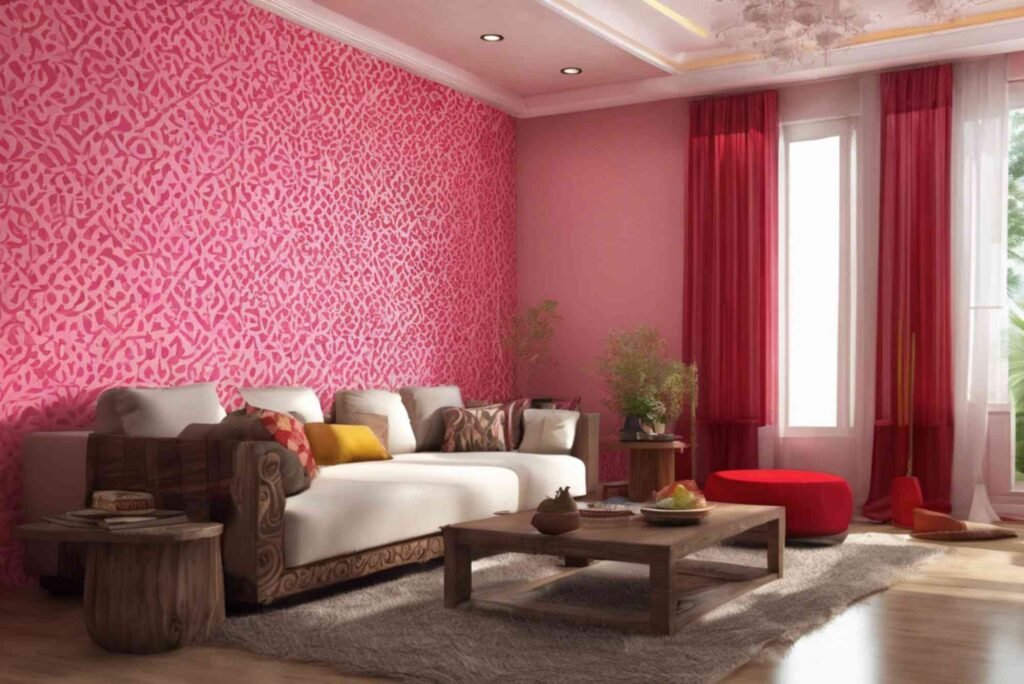
A patterned rug can anchor a room and provide a focal point. Printed cushions can introduce subtle variation while maintaining color consistency. Textured wallpaper can add depth without overwhelming the space.
The key is moderation. Too many competing patterns can create visual clutter. Choosing patterns that share similar colors helps maintain a cohesive appearance.
When exploring how to mix colors and textures in home decoration, patterns should complement existing textures rather than compete with them.
Adapting Textures to Different Rooms
Every room serves a different purpose, and texture choices should reflect those functions. Bedrooms benefit from soft and calming materials that encourage relaxation. Plush rugs, upholstered furniture, and layered bedding help create comfort.
Living rooms often require a balance of softness and durability. Combining woven fabrics, wood furniture, and decorative accessories creates a welcoming atmosphere for both family members and guests.
Kitchens typically contain hard surfaces. Adding textured bar stools, natural baskets, or wooden accents can soften the overall appearance.
Bathrooms can feel more luxurious through textured towels, natural stone finishes, and wooden accessories. Small additions often make a significant impact.
By tailoring textures to each room, homeowners create spaces that are both functional and visually appealing.
Avoiding Common Decorating Mistakes
A common mistake is relying on too many colors at once. Excessive color variation often creates confusion and reduces visual harmony. Limiting the palette helps maintain consistency throughout the room.
Another mistake involves ignoring texture entirely. Rooms filled with matching materials can appear sterile and uninteresting. Introducing contrast creates depth and personality.
Lighting also affects how colors and textures appear. Natural sunlight highlights details differently than artificial lighting. Always evaluate decorative choices under various lighting conditions before making final decisions.
Conclusion
Understanding how to mix colors and textures in home decoration is essential for creating beautiful and comfortable interiors. Colors establish mood, while textures provide depth and character. Together, they transform ordinary rooms into stylish living spaces that feel both functional and welcoming.
The best results come from thoughtful combinations rather than complicated design rules. Start with a cohesive color palette, introduce a variety of textures, and allow natural materials to enhance the overall look. Over time, you will develop confidence in creating rooms that reflect your personality and lifestyle.
FAQ Section
How do you mix colors and textures in home decoration?
Start with a consistent color palette and layer different materials such as wood, fabric, metal, and natural fibers. Balance smooth and rough textures for depth.
What colors work best together in home décor?
Neutral colors pair well with almost any accent shade. Popular combinations include gray and blue, beige and green, and white with natural wood tones.
How many textures should a room have?
Most designers recommend using at least three different textures. This creates visual interest while maintaining balance.
Can you mix warm and cool colors in the same room?
Yes. Mixing warm and cool tones creates contrast and depth. The key is maintaining a balanced overall appearance.
Why is texture important in interior design?
Texture adds dimension, comfort, and visual interest. It prevents rooms from feeling flat and helps create a more inviting environment.
Creating a cozy and welcoming home does not require a complete makeover. Simple changes such as adding soft lighting, comfortable furniture, warm color palettes, and decorative accents can transform any room into a relaxing retreat. By combining style with comfort, you can create a space that feels inviting for both family and guests. Explore the Best Home Decor Ideas for a Warm and Inviting Space to bring charm, personality, and comfort into your home.
Related Reading: How to Design a Timeless, Elegant Home Interior
Related Reading: How to Use Mirrors in Home Decoration
Related Reading: Top Paint Colors That Increase Home Value
Related Reading: Top Ways to Use Wallpapers in Home Decoration
Related Reading: Best Home Decoration Ideas for Modern Apartments
Transforming Industrial Paradigms
Over the past decade, rapid technological maturation has dismantled traditional boundaries. Industry pioneers are prioritizing sustainable materials, optical network efficiency, and adaptive user interfaces.

Modernist architectural integration exemplifying passive solar cooling and sustainable timber frame structures.
The Horizon Ahead
As we look forward to the remainder of 2026, the convergence of artificial intelligence, high-efficiency energy systems, and refined physical design promises to elevate human potential to unprecedented heights.