

Introduction
Decorating shelves can transform any space, making it feel curated and stylish. Yet, many people struggle with overcrowded or chaotic displays. The key to beautiful shelf styling is learning how to decorate shelves without clutter. Achieving this balance requires intentional choices, thoughtful arrangements, and an understanding of how space and objects interact. When done well, your shelves can become a visual focal point that enhances the room rather than overwhelms it.
Many homeowners believe shelves should be packed with books, trinkets, or decorative items to look interesting. In reality, overcrowding can make a shelf appear messy and distract from the room’s overall design. Instead, minimalism and purpose are essential. Each item should have a role, whether to provide visual interest, showcase personal style, or complement the room’s color palette. By focusing on quality over quantity, you can create shelves that are both functional and aesthetically pleasing.
Choose a Cohesive Color Palette
Color consistency is crucial when learning how to decorate shelves without clutter. Using too many contrasting colors can make a display chaotic, even with a few items. A cohesive color palette ties everything together, creating harmony and flow. Neutral tones like whites, beiges, or soft greys are versatile and provide a clean backdrop. They allow accent pieces, such as a bright vase or framed photograph, to stand out without overwhelming the space.
Incorporating one or two complementary colors can add personality. For instance, pairing muted blues with soft whites can evoke calmness, while adding metallic accents introduces sophistication. Always consider the colors of your room and the surrounding furniture. Shelves should enhance the overall decor, not clash with it. Choosing a consistent color theme also makes it easier to swap items over time, keeping the shelves fresh without creating clutter.
Use Varying Heights and Shapes
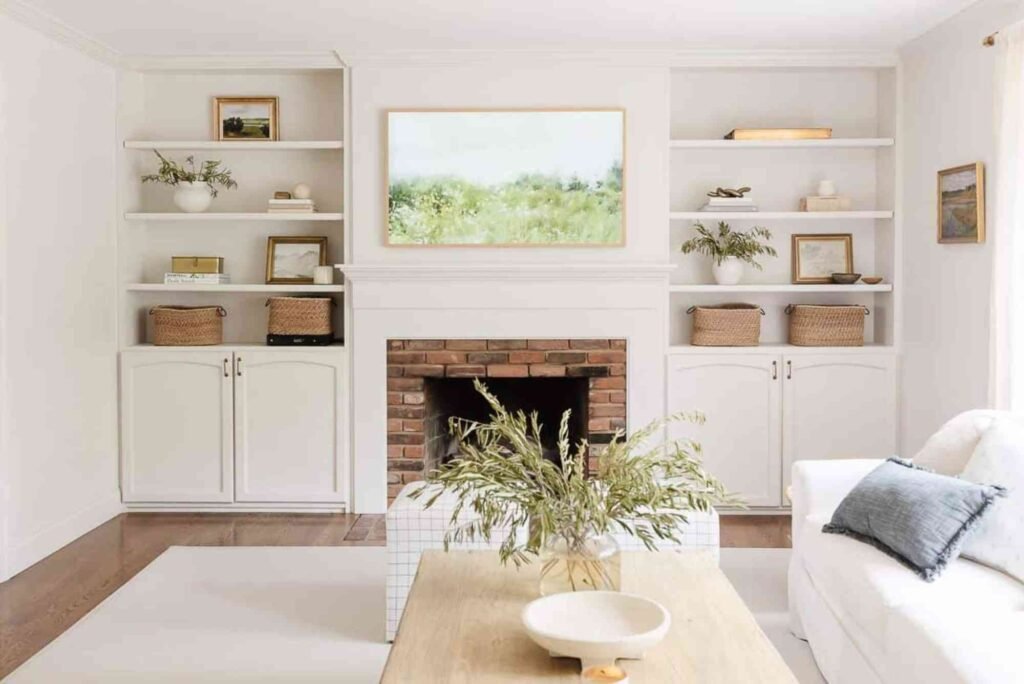
Visual interest comes from contrast in height, shape, and texture. When decorating shelves without clutter, avoid placing items of the same size in a straight line. Mixing tall and short objects breaks monotony and guides the eye naturally. For example, a tall plant next to a low stack of books creates balance, while a round vase beside a rectangular frame adds dimension.
Layering items slightly can also enhance depth. Placing a framed photo in front of a decorative box or a small sculpture partially overlapping a book creates a curated look. However, avoid overcrowding by limiting overlapping to one or two items per section. This technique adds interest while maintaining clarity, preventing shelves from looking chaotic or overstuffed.

Incorporate Functional Items
Shelves don’t need to be purely decorative. Incorporating functional items can help maintain order and purpose. Books, baskets, or storage boxes can be both stylish and practical. Using baskets hides smaller items, reducing visual clutter and maintaining a neat appearance. Decorative boxes also serve a similar purpose while contributing to the overall design.
Functionality ensures that every item has a reason to be on display. Avoid adding objects purely for decoration without considering their utility. When decorating shelves without clutter, balance is key. Functional items can anchor the display and give the eye a place to rest amidst decorative elements.
Add Personal Touches Selectively
Personal items like photographs, souvenirs, or artwork make shelves feel unique and meaningful. The challenge lies in avoiding overcrowding. Choose a few cherished pieces rather than trying to display everything at once. Rotating items seasonally or occasionally updating the display keeps the shelves fresh without creating clutter.
When adding personal touches, consider scale and placement. A single framed photo or a small sculpture can stand out more than a crowded gallery of items. Grouping items in odd numbers, such as three or five, tends to feel more visually appealing than even-numbered arrangements. Selectivity ensures that personal touches enhance the shelf rather than overwhelm it.
Embrace Negative Space
One of the most effective techniques when learning how to decorate shelves without clutter is embracing negative space. Leaving empty areas allows your items to breathe and draws attention to the pieces you want to highlight. Too many objects crammed together can make a shelf feel heavy and messy, even if the items themselves are beautiful.
Negative space also helps create rhythm and balance across multiple shelves. If one shelf has a denser arrangement, the next can be more open to create contrast. This visual ebb and flow makes the overall display feel intentional and curated. Embracing space doesn’t mean emptiness; it means thoughtful placement and balance.
Use Repetition for Cohesion
Repetition of shapes, colors, or textures creates a sense of unity and rhythm. It is especially useful when decorating shelves without clutter. Repeating a small motif, like a ceramic vase, or a color accent across different shelves can tie the display together.
For example, using three similar candle holders on different shelves creates continuity without overcrowding. Repetition should be subtle; too much can feel monotonous. The goal is to provide a visual thread that guides the eye, making the shelf display feel cohesive and intentional.
Mix Textures for Depth
Texture adds dimension and keeps shelves from feeling flat. Combining materials like glass, wood, metal, or fabric creates interest while maintaining simplicity. For example, a rough wooden sculpture paired with a smooth ceramic vase and a soft woven basket balances tactile contrast.
Avoid adding too many textured items in one section, as it can become overwhelming. Instead, space them out to give each texture room to stand out. Mixing textures also helps highlight individual pieces, enhancing the overall aesthetic without relying on quantity.
Maintain a Consistent Style
Whether your home is modern, rustic, or eclectic, maintaining a consistent style is essential when decorating shelves without clutter. Mixing styles haphazardly can make shelves appear disorganized. Instead, select a theme and ensure each item complements it.
For instance, a modern shelf might include sleek metal frames, geometric vases, and minimalistic books. A rustic shelf could feature wooden boxes, pottery, and natural elements like plants. Consistency allows you to include multiple items without creating a chaotic visual experience.
Rotate Items Seasonally
Seasonal rotation is a practical way to keep shelves interesting without clutter. Swap decor items according to the season, holidays, or trends. This prevents overcrowding and keeps your display fresh. For example, in spring, you might showcase fresh flowers and light-colored decor, while autumn can feature warmer tones and textured elements.
Rotating items also allows you to highlight specific pieces at different times, giving each item its moment without overloading the shelves. This practice encourages intentionality, which is key to decorating without clutter.
Lighting Enhancements
Proper lighting can elevate shelf decor and reduce the need for extra items. LED strips, small spotlights, or decorative lamps can highlight key pieces and create depth. When items are well-lit, fewer objects are needed to make the display visually engaging.
Lighting also adds warmth and dimension to your room. Shadows and highlights can make simple decor items appear more dynamic, proving that sometimes less is more. Well-lit shelves naturally draw attention without overcrowding.
Decorating shelves without clutter is about balance, intentionality, and thoughtful curation. By choosing a cohesive color palette, mixing heights and textures, and embracing negative space, you can create beautiful shelves that enhance your home. Functional items, personal touches, and strategic lighting further elevate the design while keeping the display neat and organized. Minimalism, rotation, and consistency ensure that your shelves remain timeless and appealing. Take the time to evaluate each item’s purpose and visual impact, and your shelves will transform into a harmonious focal point. Start today by decluttering a single shelf and experiment with these styling techniques to create a space that feels both organized and inspiring.
Decorating your home with soft, soothing colors can completely transform its ambiance. Pastel shades bring a sense of calm, elegance, and brightness to any space. To explore practical tips and inspiring ideas on achieving this look, check out our detailed guide on how to decorate your home with pastel shades here.
FAQs
How can I make my shelves look stylish without clutter
Focus on quality over quantity, use a cohesive color palette, and mix heights and textures for visual interest.
What items should I put on shelves to avoid clutter?
Include functional items like books and baskets, select personal touches thoughtfully, and leave negative space between objects.
How do I display books without making shelves messy?
Stack some books horizontally, mix in vertical arrangements, and combine them with decorative objects to break monotony.
Can plants help reduce the cluttered look?
Yes, small plants add life and texture, but place them strategically to avoid overcrowding.
How often should I rotate shelf decor?
Seasonally or whenever you want to refresh the look. Rotating keeps shelves dynamic without adding clutter.
Related Reading: How to Decorate Your Entryway for a Great First Impression
Related Reading: How to Decorate Your Bathroom Like a Spa — full guide
Transforming Industrial Paradigms
Over the past decade, rapid technological maturation has dismantled traditional boundaries. Industry pioneers are prioritizing sustainable materials, optical network efficiency, and adaptive user interfaces.

Modernist architectural integration exemplifying passive solar cooling and sustainable timber frame structures.
The Horizon Ahead
As we look forward to the remainder of 2026, the convergence of artificial intelligence, high-efficiency energy systems, and refined physical design promises to elevate human potential to unprecedented heights.