
Introduction
Creating the illusion of space in a room can transform how you experience your home. Even a small room can feel airy, open, and comfortable with the right strategies. From clever furniture choices to color schemes, there are numerous ways to enhance the perception of space. Whether you live in a small apartment or want to make your living room feel larger, these practical tips can help you maximize every inch of your space while keeping it stylish and functional.
Many people struggle with rooms that feel cramped or cluttered. A limited square footage does not mean you have to compromise on comfort or style. The key is to make smart design choices that open up the room visually and physically. These tips focus on creating an environment that feels larger without requiring renovations. You can achieve a sense of spaciousness by combining light, layout, and décor techniques.
Use Light Colors and Bright Accents
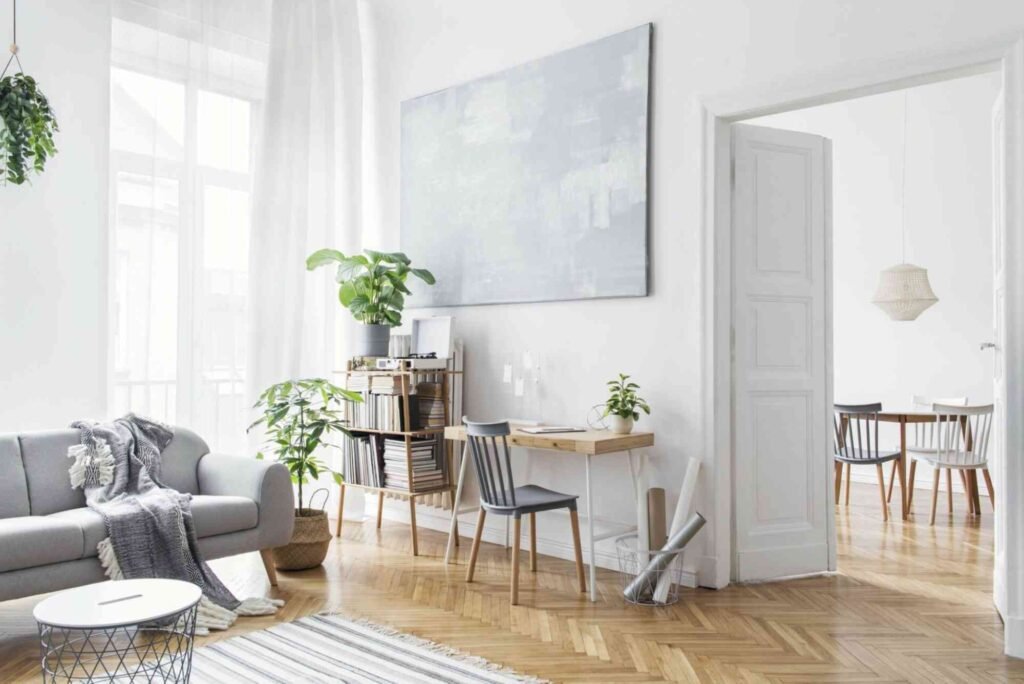
Colors have a powerful impact on how a room feels. Dark colors can make a room feel smaller, while light and neutral shades reflect light and create an airy atmosphere. Whites, creams, light grays, and pastel tones are excellent choices for walls, ceilings, and furniture. They visually expand the space and allow natural light to bounce around.
Adding bright accents such as colorful cushions, artwork, or a statement rug can also create focal points without overwhelming the room. This draws attention upward and outward, making the space feel less confined. Choosing reflective surfaces like glossy furniture or metallic accessories can amplify this effect.
Maximize Natural Light
Natural light has an incredible ability to make any room feel bigger. Open your curtains or blinds fully and avoid heavy drapes that block sunlight. If privacy is an issue, consider sheer or semi-sheer curtains that let light pass through while maintaining discretion.
Mirrors are a practical addition for reflecting light. Placing a large mirror opposite a window or across from a bright wall creates the illusion of depth. Even small mirrors strategically placed can make corners feel more open and airy. Skylights and light tubes are another way to bring natural sunlight into spaces that may not have direct windows.

Optimize Furniture Layout
Cluttered furniture placement is one of the fastest ways to make a room feel cramped. Arrange furniture so there is a clear path and flow of movement. Avoid blocking windows or natural light sources. Multi-functional furniture such as ottomans with storage, foldable tables, or sofa beds can save space and reduce visual clutter.
Floating furniture off the walls slightly instead of pushing everything flush against them can also create a sense of openness. In dining rooms or living areas, round tables and modular seating arrangements often feel less restrictive than bulky rectangular pieces.
Declutter and Minimize Visual Noise
Less truly is more when it comes to spaciousness. Keep surfaces clean and organized to prevent the room from feeling crowded. Decluttering also allows essential décor pieces to shine, enhancing the sense of order. Storage solutions such as hidden compartments, baskets, or shelves can help keep items out of sight without sacrificing style.
Avoid overly busy patterns on furniture or walls, as they can make the room feel smaller. Instead, opt for subtle textures and coordinated color schemes. Grouping decorative items and using negative space around them allows the eye to rest, which contributes to the perception of a larger room.
Incorporate Vertical Space
Many rooms feel cramped because the focus remains at eye level. Drawing the eye upward adds height and creates the illusion of more space. Tall bookshelves, vertical wall art, or elongated mirrors can accentuate a room’s height. Hanging curtains close to the ceiling rather than just above the window frame also makes the ceiling appear higher.
Lighting plays a role in this vertical emphasis. Wall sconces and upward-facing lamps guide attention toward the ceiling and corners, creating depth and dimension. Avoid low-hanging bulky lighting that dominates the room; instead, choose elegant fixtures that complement the room without overpowering it.
Choose the Right Flooring
Flooring continuity helps a room feel larger. Light-colored hardwood, laminate, or tiles reflect light and visually extend the space. Avoid rugs that are too small or heavily patterned, as they can segment the room and make it feel fragmented. Instead, opt for one large rug or minimal floor coverings that unify the space.
Using diagonal or herringbone patterns in flooring can subtly create the illusion of depth and movement. Avoid placing too much furniture directly on rugs, which can break the visual flow. Keeping the floor as open as possible immediately contributes to a feeling of expansiveness.
Use Transparent and Minimalist Furniture
Furniture that is bulky or dark can overwhelm a small space. Consider pieces made of glass, acrylic, or thin metal frames to create a sense of openness. Transparent chairs or tables take up minimal visual space while maintaining functionality.
Minimalist furniture with clean lines and low profiles also enhances spaciousness. Avoid oversized couches or massive coffee tables that dominate the room. Open-legged furniture allows you to see more of the floor, making the area feel less congested.
Create Zones with Strategic Décor
Dividing a room into functional zones can make it feel larger because each area has a purpose without overcrowding the space. Use rugs, lighting, or furniture placement to define different zones such as reading corners, workspaces, or seating areas.
However, avoid over-segmenting, which can fragment the room. Subtle zoning encourages movement and usability while maintaining an open atmosphere. Choosing cohesive colors and materials throughout all zones ensures harmony and fluidity.
Leverage Mirrors and Reflective Surfaces
Mirrors are one of the most effective tools to make any room feel more spacious. They create the illusion of depth and reflect light, doubling the perceived area. Place mirrors opposite windows or in areas that lack light. Even mirrored furniture or reflective wall panels can enhance this effect.
Glass or metallic décor pieces, such as tables, lamps, or vases, add similar benefits by bouncing light and reducing visual heaviness. The key is to balance reflective surfaces without making the room feel too cold or overly glossy.
Opt for Smart Storage Solutions
Clutter-free surfaces are essential for a spacious feel, and smart storage is key. Built-in shelving, under-bed storage, or vertical cabinets maximize space without intruding on the room’s footprint. Storage furniture with dual purposes, such as benches with hidden compartments, keeps essentials tucked away while maintaining functionality.
Keeping items organized also improves the perception of size. When everything has a designated place, the room appears orderly and larger than it is. Consider using uniform storage containers for a streamlined, cohesive look.
Focus on Lighting Layers
A single overhead light often creates flat, uninspiring spaces. Layered lighting adds depth and enhances spaciousness. Combine ambient lighting, task lighting, and accent lighting to brighten the room effectively. Floor lamps, table lamps, and wall-mounted fixtures create visual interest and emphasize space.
Warm, bright light is particularly effective in small rooms. Avoid harsh fluorescent lighting, which can make a space feel cold and confined. Adjustable dimmers also allow you to create ambiance while maintaining functionality.
Making any room feel more spacious is a combination of light, color, furniture, and smart design strategies. Small adjustments such as optimizing natural light, using vertical space, and selecting minimalist furniture can dramatically change how open a room feels. A well-thought-out layout, clutter-free surfaces, and strategic décor choices will transform even the tiniest spaces into inviting, airy environments.
By implementing these practical tips, your home will feel more comfortable, functional, and stylish without major renovations. Start small with one change at a time, and watch your space expand before your eyes. Don’t let size limit your creativity—embrace these strategies to make every room in your home feel larger and more welcoming. Take action today and apply these techniques to your living space. You’ll be surprised at how small changes can have a big impact.
Transform your backyard into a serene retreat with creative touches and vibrant plants. For inspiring ideas, check out top outdoor decor ideas for a beautiful garden to elevate your outdoor space. Discover unique ways to blend style and nature, making your garden a perfect spot to relax and entertain.
FAQs
How can I make a small room look bigger without renovation?
Use light colors, mirrors, and declutter to create a visual sense of space. Optimize furniture layout and maximize natural light for a larger feel.
What wall colors make a room feel bigger?
Light and neutral colors like white, cream, soft gray, or pastels reflect light and make rooms feel airy. Avoid dark, heavy shades that shrink space.
Can mirrors really make a room feel bigger?
Yes, mirrors reflect light and create depth, which visually doubles the space and enhances brightness.
What furniture works best for small rooms?
Choose minimalist, open-legged, or transparent furniture to reduce visual weight. Multi-functional pieces with storage are ideal.
How can I use lighting to make a room feel larger?
Layered lighting, including ambient, task, and accent lights, brightens the room, emphasizes depth, and creates an airy atmosphere.
Transforming Industrial Paradigms
Over the past decade, rapid technological maturation has dismantled traditional boundaries. Industry pioneers are prioritizing sustainable materials, optical network efficiency, and adaptive user interfaces.

Modernist architectural integration exemplifying passive solar cooling and sustainable timber frame structures.
The Horizon Ahead
As we look forward to the remainder of 2026, the convergence of artificial intelligence, high-efficiency energy systems, and refined physical design promises to elevate human potential to unprecedented heights.