
Introduction
Maintaining good gut health is essential for overall well-being. A balanced gut microbiome not only aids digestion but also strengthens immunity, enhances mental clarity, and supports nutrient absorption. The foods we consume play a pivotal role in shaping the gut environment, influencing the diversity and functionality of beneficial bacteria. Eating the right combination of foods can prevent digestive issues, reduce inflammation, and promote long-term gut wellness.
Gut health depends on both the presence of beneficial bacteria and the right conditions to help them thrive. Certain foods act as natural prebiotics, feeding healthy microbes, while others contain probiotics that directly introduce live beneficial bacteria. A diet rich in fiber, fermented foods, and nutrient-dense ingredients is crucial for maintaining this delicate balance. By choosing the right foods consistently, one can encourage a flourishing gut ecosystem that supports digestion, metabolism, and immune function.
Fiber-Rich Foods for Gut Support
Fiber is one of the most important nutrients for gut health. It serves as food for beneficial bacteria, allowing them to ferment and produce short-chain fatty acids that support intestinal lining integrity and reduce inflammation. Whole grains, legumes, fruits, and vegetables are excellent sources of fiber that naturally aid digestion. Including a variety of these foods ensures a diverse bacterial population, which is associated with improved metabolic health and reduced risk of digestive disorders. Fiber also helps regulate bowel movements, preventing constipation and promoting a balanced gut environment.
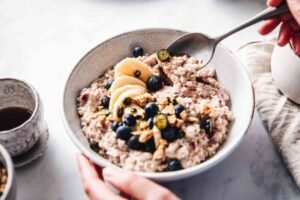
Soluble fiber, found in foods like oats, apples, and carrots, dissolves in water and forms a gel-like substance in the intestines. This gel slows digestion, stabilizes blood sugar, and fosters the growth of healthy gut bacteria. Insoluble fiber, present in whole grains, nuts, and leafy greens, adds bulk to stools and promotes regularity. A combination of both types of fiber is ideal for a well-functioning digestive system. Incorporating these fiber-rich foods consistently can create an environment where gut bacteria flourish naturally.
Fermented Foods to Introduce Beneficial Bacteria
Fermented foods are a natural source of probiotics, which are live microorganisms that provide health benefits when consumed in adequate amounts. Yogurt, kefir, kimchi, sauerkraut, and miso are prime examples that can enhance gut microbiota diversity. Probiotics from these foods can improve digestion, support immune function, and reduce gut inflammation. Regular consumption of fermented foods can help restore bacterial balance after disruptions caused by antibiotics or poor dietary habits. These foods also produce bioactive compounds that contribute to overall gut and metabolic health.
Fermentation not only introduces beneficial bacteria but also enhances nutrient absorption and bioavailability. For example, fermented vegetables increase vitamin K2 content, while yogurt and kefir provide easily digestible proteins. Including a variety of fermented foods ensures different strains of beneficial bacteria, each contributing to unique gut health benefits. Simple additions like a daily serving of yogurt or a small portion of kimchi can make a significant difference in the overall balance and resilience of gut bacteria.

Polyphenol-Rich Foods for Gut Diversity
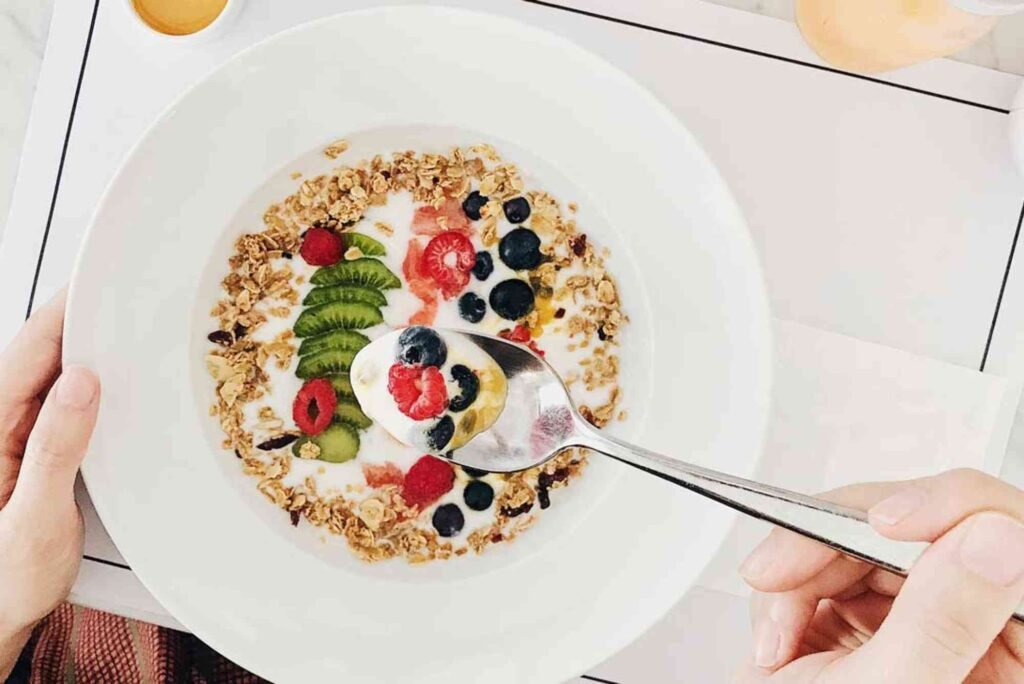
Polyphenols are plant compounds with antioxidant properties that benefit gut bacteria. Foods like berries, dark chocolate, green tea, and extra virgin olive oil are rich in polyphenols that act as prebiotics for beneficial microbes. These compounds help increase microbial diversity, which is associated with better digestive health and reduced inflammation. Polyphenols also contribute to gut barrier integrity, protecting against harmful bacteria and supporting overall gastrointestinal health. Including a variety of polyphenol-rich foods in daily meals can strengthen gut microbiota and improve overall health outcomes.
Research shows that polyphenols can modulate gut microbiota by promoting the growth of beneficial bacteria like Lactobacillus and Bifidobacterium. These compounds are metabolized by gut bacteria into bioactive metabolites, enhancing their antioxidant and anti-inflammatory properties. Simple habits like adding berries to breakfast, enjoying a cup of green tea, or using olive oil in cooking can significantly impact gut microbiome diversity over time. Regular intake of these foods supports both digestive health and overall wellness.
Healthy Fats for Gut Integrity
Healthy fats are crucial for maintaining the integrity of the gut lining and reducing inflammation. Foods such as fatty fish, avocados, nuts, and seeds provide omega-3 fatty acids that have anti-inflammatory effects. Omega-3s support gut barrier function and reduce the risk of leaky gut, a condition where toxins can enter the bloodstream and cause systemic inflammation. Including these fats in your diet helps create a balanced gut environment conducive to the growth of beneficial bacteria.
Monounsaturated fats from avocados, olive oil, and nuts provide additional benefits by supporting healthy cholesterol levels and reducing oxidative stress. They also contribute to the production of short-chain fatty acids by gut bacteria, further strengthening gut health. Regular inclusion of healthy fats in meals can balance inflammatory responses, improve digestion, and promote optimal nutrient absorption. A diet rich in these fats not only nourishes the gut but also supports heart, brain, and metabolic health simultaneously.
Hydration and Gut Function
Proper hydration is essential for maintaining gut health. Water helps keep the digestive tract moving smoothly, prevents constipation, and supports the balance of gut bacteria. Adequate hydration facilitates the breakdown and absorption of nutrients while aiding in the removal of waste products. Drinking enough water, along with consuming hydrating foods like fruits and vegetables, ensures that the gut environment remains optimal for beneficial bacteria. Herbal teas and broths can also contribute to hydration while providing additional gut-supportive compounds.
Hydration is particularly important when increasing fiber intake, as fiber absorbs water to form stools. Without sufficient fluid, fiber can contribute to bloating or constipation instead of promoting healthy digestion. Ensuring consistent water intake throughout the day supports smooth digestive function and enhances the effectiveness of a gut-friendly diet. Simple habits, such as drinking water before meals and keeping a reusable water bottle on hand, can significantly improve gut health over time.
Minimizing Processed Foods for Gut Balance
Highly processed foods, refined sugars, and artificial additives can negatively affect gut microbiota, promoting the growth of harmful bacteria. Limiting processed snacks, sugary drinks, and fried foods is essential for maintaining gut health. These items can cause inflammation, disrupt microbial balance, and lead to digestive discomfort. A diet focused on whole, minimally processed foods supports the growth of beneficial bacteria while reducing the risk of gut-related disorders.
Artificial sweeteners and preservatives can also alter gut microbiota composition, decreasing beneficial bacterial diversity. Even occasional consumption of processed foods can impact gut function, so moderation is key. By replacing processed items with natural, nutrient-dense alternatives, you can nurture your gut microbiome while improving overall health. Simple swaps, like choosing whole fruit instead of sugary snacks or using nuts as a snack instead of chips, make a meaningful difference.
Incorporating Variety for Optimal Gut Health
A diverse diet is one of the most effective ways to support gut health. Consuming a wide range of vegetables, fruits, whole grains, and protein sources ensures that different bacterial strains receive the nutrients they need to thrive. Dietary diversity is linked to greater microbial diversity, which is associated with stronger immunity, improved digestion, and reduced inflammation. Avoiding monotony in your meals by experimenting with new foods and flavors can boost gut resilience and long-term health.
Including multiple food groups ensures that gut bacteria receive both prebiotic fibers and polyphenols necessary for optimal function. Seasonal fruits and vegetables, whole grains, fermented foods, and healthy fats should all be part of a gut-focused diet. Over time, this diversity leads to a more stable, balanced gut microbiome capable of supporting overall wellness and preventing digestive imbalances. Making small, gradual changes to diversify meals can create lasting improvements in gut health.
Prioritizing gut health is essential for overall well-being, energy, and immunity. Consistently consuming fiber-rich foods, fermented foods, polyphenol-rich plants, and healthy fats provides the foundation for a balanced gut microbiome. Staying hydrated, minimizing processed foods, and embracing dietary variety further enhance gut function. By adopting these habits, you can support digestion, prevent inflammation, and strengthen your immune system naturally. Start incorporating these gut-friendly foods today and experience long-term digestive wellness. Take charge of your gut health by making mindful food choices that nourish both your body and microbiome.
If you’re just getting started in the kitchen and eager to explore bold and flavorful dishes, our guide to Top Asian Recipes for Beginners is the perfect place to begin. From simple stir‑fries to classic comfort meals, these easy‑to‑follow recipes make it fun to learn authentic Asian cooking techniques without feeling overwhelmed.
FAQs
What are the best foods to improve gut health?
Fiber-rich vegetables, fruits, whole grains, fermented foods like yogurt and kimchi, and healthy fats are excellent choices.
How do probiotics and prebiotics differ?
Probiotics are live beneficial bacteria, while prebiotics are fibers and compounds that feed these bacteria.
Can gut health affect mental well-being?
Yes, a healthy gut supports the gut-brain axis, which influences mood, focus, and stress levels.
Is it necessary to take supplements for gut health?
Not always. Whole foods rich in fiber, fermented foods, and polyphenols are sufficient for most people.
How quickly can diet changes impact gut health?
Improvements can be noticed in a few days to weeks, but long-term consistency is key for lasting benefits.
Transforming Industrial Paradigms
Over the past decade, rapid technological maturation has dismantled traditional boundaries. Industry pioneers are prioritizing sustainable materials, optical network efficiency, and adaptive user interfaces.

Modernist architectural integration exemplifying passive solar cooling and sustainable timber frame structures.
The Horizon Ahead
As we look forward to the remainder of 2026, the convergence of artificial intelligence, high-efficiency energy systems, and refined physical design promises to elevate human potential to unprecedented heights.