
Introduction
Creating your own healthy meal boxes at home is a practical and fun way to take control of your nutrition, save money, and reduce food waste. Unlike store-bought options, DIY meal boxes let you customize every ingredient according to your dietary preferences, caloric needs, and flavor choices. Whether you are preparing lunches for work, snacks for kids, or dinner for yourself, making meal boxes ensures balanced meals that are both convenient and satisfying. In this guide, we will explore everything you need to know to prepare healthy meal boxes that are nutritious, delicious, and easy to assemble.
Why Make Your Own Healthy Meal Boxes
Preparing your own meal boxes comes with several benefits. First, it provides control over portion sizes, ensuring you consume the right amount of calories without overeating. Store-bought options often contain hidden sugars, unhealthy fats, or excess sodium. When you make your own meal boxes, you choose fresh ingredients and avoid preservatives. Meal boxes also save time during a busy week. By preparing them in advance, you can grab a nutritious meal in minutes without resorting to fast food. They are also cost-effective, as buying ingredients in bulk and preparing them at home is cheaper than daily meal subscriptions or takeout. Lastly, DIY meal boxes encourage creativity. You can experiment with flavors, cuisines, and seasonal produce, keeping your meals exciting and diverse.
Essential Ingredients for Healthy Meal Boxes
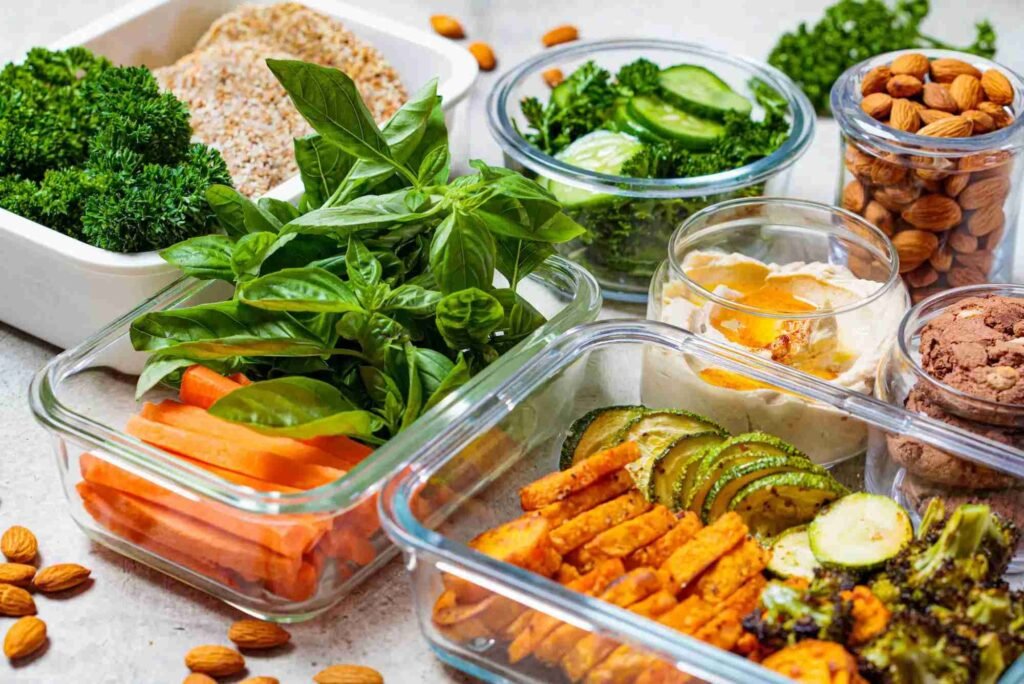
To create balanced meal boxes, focus on including protein, complex carbohydrates, healthy fats, and fresh vegetables. Proteins can come from lean meats, eggs, fish, tofu, beans, or lentils. Proteins help with muscle repair, provide lasting energy, and keep you full. Complex carbohydrates like brown rice, quinoa, whole-wheat pasta, or sweet potatoes supply fiber, steady energy, and support digestion. Healthy fats from avocados, nuts, seeds, or olive oil improve heart health and enhance the flavor of your meals. Vegetables are essential for vitamins, minerals, and antioxidants. Including a variety of colors ensures you consume a broad spectrum of nutrients. Fruits can be added as snacks or natural sweeteners, adding taste without refined sugar. Herbs, spices, and natural sauces make meals flavorful without adding unhealthy ingredients. Choosing fresh and seasonal ingredients is important for taste, nutritional value, and budget-friendly meal prep.
Planning Your Healthy Meal Boxes
Successful meal box preparation starts with planning. Begin by deciding the number of meals you need for the week. Consider portion sizes based on your calorie goals or family needs. Choose a balance of proteins, carbs, and vegetables for each meal. Planning also involves selecting containers. Opt for BPA-free, airtight containers that keep food fresh and prevent leaks. Compartmentalized containers are ideal for separating ingredients and preventing sogginess. Plan a variety of meals to avoid monotony. Rotating proteins, vegetables, and grains throughout the week keeps meals interesting. Make a shopping list based on your planned meals, focusing on fresh produce, lean proteins, and whole grains. Organize your shopping to avoid buying processed foods, which can be tempting when meal prepping.
Guide to Making Healthy Meal Boxes
Start by preparing all ingredients in advance. Wash, peel, and chop vegetables and fruits. Cook proteins such as chicken, fish, or tofu according to your recipe, seasoning them with herbs and spices for flavor. Prepare complex carbohydrates like rice, quinoa, or pasta, and allow them to cool before placing them in containers. Once all ingredients are ready, assemble your meal boxes. Begin with a base of grains or vegetables, add your protein, and top with healthy fats or sauces. Include a small portion of fruit or snack for variety. Keep ingredients that may get soggy separate, such as salads or dressings, and add them just before eating. Label your containers with dates to ensure freshness. Store the boxes in the refrigerator and consume within four to five days.
Meal boxes can also be customized for specific dietary needs. For weight management, control portions of carbohydrates and add more vegetables. For athletes or highly active individuals, include extra protein and healthy fats to support energy and muscle recovery. Consider flavors and textures to maintain enjoyment; a mix of roasted, raw, and steamed vegetables can make meals more appealing. Adding a sprinkle of seeds, nuts, or herbs enhances both taste and nutrition. Experimenting with international cuisines, such as Mediterranean or Asian-inspired flavors, can make meal prep exciting.

Tips for Making Healthy Meal Boxes Last Longer
Freshness is key to enjoying your meal boxes throughout the week. Store boxes in airtight containers to prevent moisture loss and food spoilage. Use separate containers for sauces and dressings to avoid soggy vegetables. Cooling cooked items before placing them in the fridge helps maintain texture and flavor. Keep perishable items like dairy, fresh herbs, or avocado on the day of consumption to maintain quality. Rotate ingredients weekly to include seasonal vegetables and proteins, ensuring variety and preventing boredom. Labeling meals with preparation dates helps track freshness and avoid waste. Freeze meals that won’t be eaten within a few days, particularly proteins and grains, and thaw them as needed.
Benefits of Consistent Healthy Meal Boxes
Consistently preparing meal boxes improves overall health by encouraging a balanced diet. It supports portion control, reducing overeating and unnecessary snacking. Meal boxes simplify healthy eating during a busy schedule, making it easier to stick to dietary goals. They can improve energy levels, digestion, and focus because you consume nutrient-rich foods instead of processed meals. Additionally, meal prepping reduces stress around mealtime, freeing mental energy for work, family, or personal activities. For families, meal boxes teach children the value of healthy eating and portion control. Over time, consistent meal box preparation can result in better weight management, reduced grocery expenses, and a more sustainable lifestyle.
Making your own healthy meal boxes is a simple and rewarding way to take control of your nutrition, save money, and enjoy delicious, balanced meals every day. By planning meals, selecting fresh ingredients, and preparing food in advance, you can enjoy stress-free, nutrient-packed meals without compromising on taste or convenience. Experiment with different flavors, proteins, and grains to keep your meals exciting and aligned with your health goals. Start today by dedicating a few hours to meal prep and discover how much easier healthy eating can be. Take the first step toward a more organized, nutritious, and vibrant lifestyle by creating your personalized meal boxes now.
Frequently Asked Questions
How often should I make my meal boxes?
Meal boxes can be prepared weekly, depending on your schedule and fridge space. A Sunday prep session is common for many.
Can I include snacks in my meal boxes?
Yes, small portions of nuts, fruits, or yogurt make great snacks and help maintain energy levels throughout the day.
How do I prevent my vegetables from getting soggy?
Store wet ingredients like tomatoes or dressings separately and add them just before eating to maintain freshness.
Are frozen ingredients suitable for meal boxes?
Yes, frozen vegetables and proteins can be cooked or thawed as needed. They are convenient, nutritious, and reduce food waste.
Can meal boxes help with weight loss?
Absolutely, meal boxes support portion control, balanced nutrition, and reduce the temptation of unhealthy snacks, aiding weight management.
Transforming Industrial Paradigms
Over the past decade, rapid technological maturation has dismantled traditional boundaries. Industry pioneers are prioritizing sustainable materials, optical network efficiency, and adaptive user interfaces.

Modernist architectural integration exemplifying passive solar cooling and sustainable timber frame structures.
The Horizon Ahead
As we look forward to the remainder of 2026, the convergence of artificial intelligence, high-efficiency energy systems, and refined physical design promises to elevate human potential to unprecedented heights.