

Introduction
Creating the perfect salad is an art and a science. It’s not just about tossing greens in a bowl; it’s about balancing flavors, textures, and colors to make a dish that is both healthy and delicious. Whether you are preparing a light lunch or a side dish for dinner, mastering salad-making can transform your meals into something exciting and fresh. The perfect salad combines crisp vegetables, complementary proteins, fresh herbs, and a dressing that elevates every ingredient. By understanding the principles behind salad preparation, you can consistently create meals that are nutritious, visually appealing, and satisfying.
Understanding the Base of Your Salad
The foundation of every great salad is the base, usually composed of greens or other fresh vegetables. Choosing the right base is crucial because it determines the overall texture and flavor of your salad. Leafy greens like romaine, arugula, spinach, and kale are popular because they offer crispness, color, and nutrients. Mixing different types of greens can enhance both taste and visual appeal. When selecting your base, consider freshness and quality. Fresh, vibrant leaves will elevate the salad, while wilted or bruised greens can make it unappealing.
Choosing the Right Ingredients
Beyond greens, a perfect salad depends on a careful selection of complementary ingredients. Fresh vegetables such as cucumbers, bell peppers, tomatoes, and radishes add crunch and color. Fruits like apples, berries, and citrus can introduce natural sweetness. Nuts, seeds, and grains provide texture and heartiness, while proteins like grilled chicken, shrimp, tofu, or legumes ensure the salad is satisfying. Using seasonal ingredients not only improves flavor but also guarantees maximum freshness and nutritional value. Paying attention to color variety is also essential, as a visually vibrant salad is naturally more appetizing.
Balancing Flavors and Textures
A truly memorable salad achieves balance in both flavor and texture. Combining bitter, sweet, tangy, and savory elements ensures every bite is interesting. For example, adding a sweet ingredient like roasted carrots or strawberries to peppery arugula creates a delightful contrast. Similarly, pairing crunchy nuts or seeds with soft cheeses or ripe avocado can make each bite unique. Think about mouthfeel: crisp, tender, creamy, and crunchy components all play a role in creating a dynamic experience. Avoid monotony by including ingredients that offer varying textures and flavor profiles.
Making the Perfect Dressing
The dressing is the heart of a salad and can make or break the dish. Homemade dressings are ideal because they allow control over ingredients, ensuring a fresh and balanced flavor. Classic vinaigrettes combine oil and vinegar, while creamy dressings use yogurt or mayonnaise bases. The key is achieving the right balance of acidity, sweetness, and seasoning. A good rule of thumb is one part acid to three parts oil, adjusting according to taste. Herbs, garlic, mustard, or honey can be added to elevate flavor. Whisking ingredients thoroughly or shaking them in a jar ensures an even coating on the salad.
Tips for Preparing Ingredients
Preparation plays a vital role in creating a perfect salad. Wash all vegetables thoroughly to remove dirt and pesticides. Drying greens properly is essential; excess water can dilute the dressing and make the salad soggy. Cutting ingredients uniformly not only improves appearance but also ensures even distribution of flavors. Prepping proteins and other components in advance can save time and allow for last-minute assembly, preserving freshness. Consider roasting, grilling, or lightly sautéing vegetables to introduce depth of flavor. Simple seasoning like salt, pepper, or lemon juice can enhance natural tastes without overwhelming the salad.

Layering and Assembling the Salad
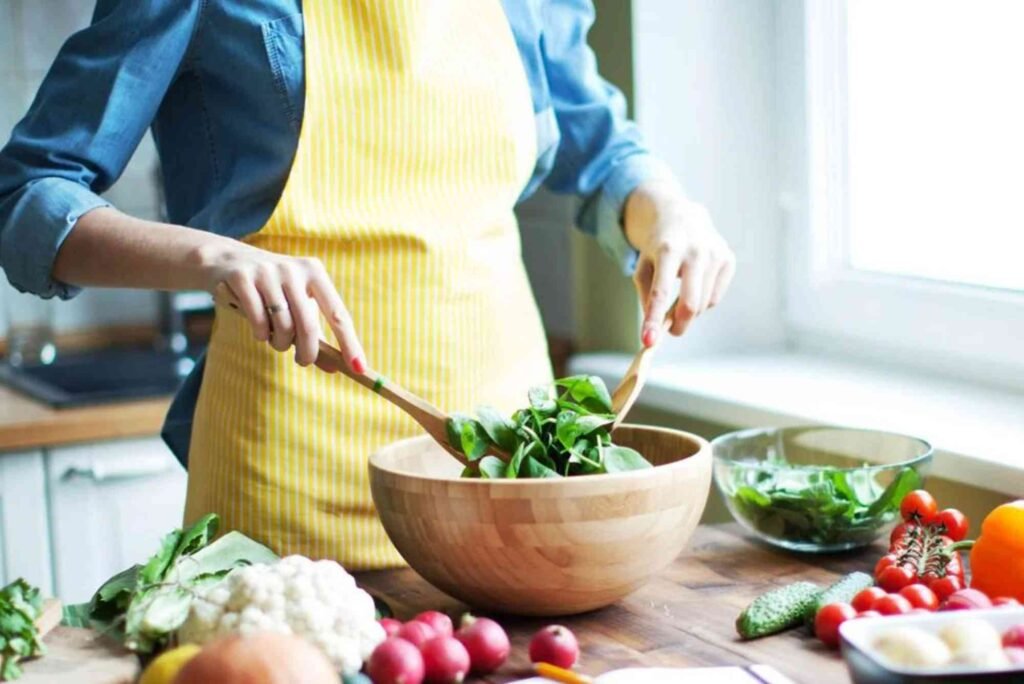
How you assemble a salad affects both taste and presentation. Start with the base of greens, then layer in vegetables, fruits, proteins, and other toppings. Adding heavier ingredients at the bottom and lighter ones on top prevents crushing delicate leaves. Drizzle dressing just before serving to keep the salad crisp. Tossing gently ensures every ingredient is coated without damaging texture. Presentation matters as much as flavor. Using a variety of shapes, colors, and heights makes the salad visually inviting and appetizing. Small touches like fresh herbs or edible flowers can elevate the dish further.
Seasonal and International Inspiration
Exploring different cuisines can inspire salad creativity. Mediterranean salads often feature olives, feta, tomatoes, and cucumbers, while Asian-inspired salads may include sesame seeds, soy-based dressings, or pickled vegetables. Seasonal inspiration helps highlight ingredients at their peak. Summer salads might include fresh berries, peaches, or corn, while fall salads could focus on roasted root vegetables, apples, or pomegranate seeds. Incorporating global flavors and seasonal produce ensures your salad remains exciting and flavorful throughout the year.
Storage and Freshness Tips
Maintaining freshness is crucial if preparing salads in advance. Store leafy greens in airtight containers with a paper towel to absorb moisture. Keep dressings separate until serving to prevent sogginess. Ingredients like nuts or croutons should be added last minute. Proteins can be pre-cooked and stored in the refrigerator, allowing for quick assembly. Avoid over-prepping delicate ingredients, as they can lose texture and flavor over time. Proper storage techniques extend shelf life and help retain the vibrant taste of each component.
Common Mistakes to Avoid
Even experienced cooks can make mistakes when preparing salads. Overdressing is a frequent issue; too much dressing can overwhelm flavors and make the salad watery. Using only one type of green or ingredient can result in blandness. Cutting vegetables unevenly can lead to inconsistent texture, while neglecting seasoning can make even fresh ingredients taste flat. To achieve perfection, focus on balance, freshness, and variety. Taste as you go, adjusting seasoning and dressing to complement the salad’s ingredients.
Health Benefits of Fresh Salads
Salads are more than just a meal—they are a nutritional powerhouse. Fresh vegetables provide essential vitamins, minerals, and fiber. Including proteins supports satiety and muscle health, while healthy fats from nuts, seeds, or olive oil improve nutrient absorption. Eating a variety of colors ensures a range of antioxidants and phytonutrients, boosting immunity and overall well-being. Regularly incorporating salads into your diet can contribute to heart health, digestion, and weight management, making them both delicious and functional for daily nutrition.
Making the perfect salad every time is achievable by understanding the principles of balance, freshness, and creativity. By carefully selecting ingredients, preparing them properly, and crafting a flavorful dressing, anyone can transform ordinary greens into a culinary delight. Experimenting with textures, flavors, and seasonal produce will keep your salads exciting and visually appealing. Next time you prepare a meal, take a moment to assemble a salad with intention—it will not only nourish your body but also please your taste buds. Start today and experience the joy of creating perfect salads every time.
Eating a well-balanced diet is key to maintaining good health and boosting energy levels. To learn practical tips and strategies for creating a nutritious meal plan that fits your lifestyle, check out this helpful guide on Eating a well-balanced diet is key to maintaining good health and boosting energy levels. To learn practical tips and strategies for creating a nutritious meal plan that fits your lifestyle, check out this helpful guide on how to build a balanced diet for better health.
FAQs
What is the best base for a salad?
Leafy greens like romaine, spinach, arugula, or a mix of fresh greens provide a crisp and nutritious foundation.
How do I make salad dressing at home?
Combine oil, vinegar, and seasonings. Adjust ratios to taste, whisk thoroughly, and add herbs or mustard for extra flavor.
How can I keep my salad fresh for longer?
Store greens in airtight containers with a paper towel. Keep dressing separate and add toppings like nuts or croutons just before serving.
Can I make salads with protein?
Yes, adding grilled chicken, shrimp, tofu, or legumes ensures the salad is filling and balanced.
How do I balance flavors in a salad?
Combine bitter, sweet, tangy, and savory elements. Use crunchy, creamy, and soft textures for a dynamic eating experience.
What are some creative salad ideas?
Try Mediterranean, Asian, or seasonal salads. Mix fruits, vegetables, proteins, nuts, and seeds for variety and excitement.
Why is uniform cutting important?
Uniformly cut ingredients improve presentation, ensure even distribution of flavors, and create a better texture in every bite.
Transforming Industrial Paradigms
Over the past decade, rapid technological maturation has dismantled traditional boundaries. Industry pioneers are prioritizing sustainable materials, optical network efficiency, and adaptive user interfaces.

Modernist architectural integration exemplifying passive solar cooling and sustainable timber frame structures.
The Horizon Ahead
As we look forward to the remainder of 2026, the convergence of artificial intelligence, high-efficiency energy systems, and refined physical design promises to elevate human potential to unprecedented heights.