
Introduction
Feeding kids can sometimes feel like a battle, especially when you aim to provide meals that are both nutritious and appealing. Children often prefer foods that are colorful, fun, and easy to eat, which doesn’t always align with the healthiest options. However, with a bit of creativity and planning, you can craft meals that are wholesome, balanced, and enjoyable for your little ones. Healthy kids meal ideas not only support their growth and development but also help instill good eating habits that can last a lifetime.
The key is to combine nutrition with presentation. Children are visual eaters, meaning they are drawn to foods that look appealing. Introducing meals with a variety of colors, shapes, and textures makes them more likely to try new foods. Incorporating fruits and vegetables into familiar dishes, offering bite-sized portions, and using fun plating techniques can transform healthy meals into exciting experiences.
In addition to visual appeal, taste plays a major role. While it’s essential to reduce added sugars, excessive salt, and processed ingredients, you can still create flavors that are rich and satisfying. Using natural seasonings like herbs, mild spices, and healthy dips can enhance the taste of vegetables and proteins without compromising nutrition.
Balanced Breakfasts Kids Will Enjoy
Breakfast is a vital meal that sets the tone for the day. A healthy breakfast provides energy, improves concentration, and supports overall growth. A combination of whole grains, protein, and fruits works best to keep kids full and focused.
Oatmeal is a classic example that can be customized in countless ways. Adding sliced bananas, berries, or a dollop of yogurt can make it sweet and creamy while retaining its nutritional value. Whole-grain pancakes or waffles can also be a hit, especially when topped with fresh fruit instead of syrup. Egg-based dishes are another versatile option. Scrambled eggs, mini omelets, or boiled eggs paired with toast and veggies provide protein and essential vitamins. Smoothies can be both fun and healthy. Blending fruits, vegetables, and a small amount of milk or yogurt creates a nutrient-rich breakfast that kids love to sip.
Nutritious Lunches That Kids Will Ask For
Packing a lunchbox can be challenging if you want to ensure it’s both healthy and appealing. Incorporating a variety of food groups is essential for a balanced meal. Including protein, whole grains, and colorful vegetables ensures sustained energy throughout the day.

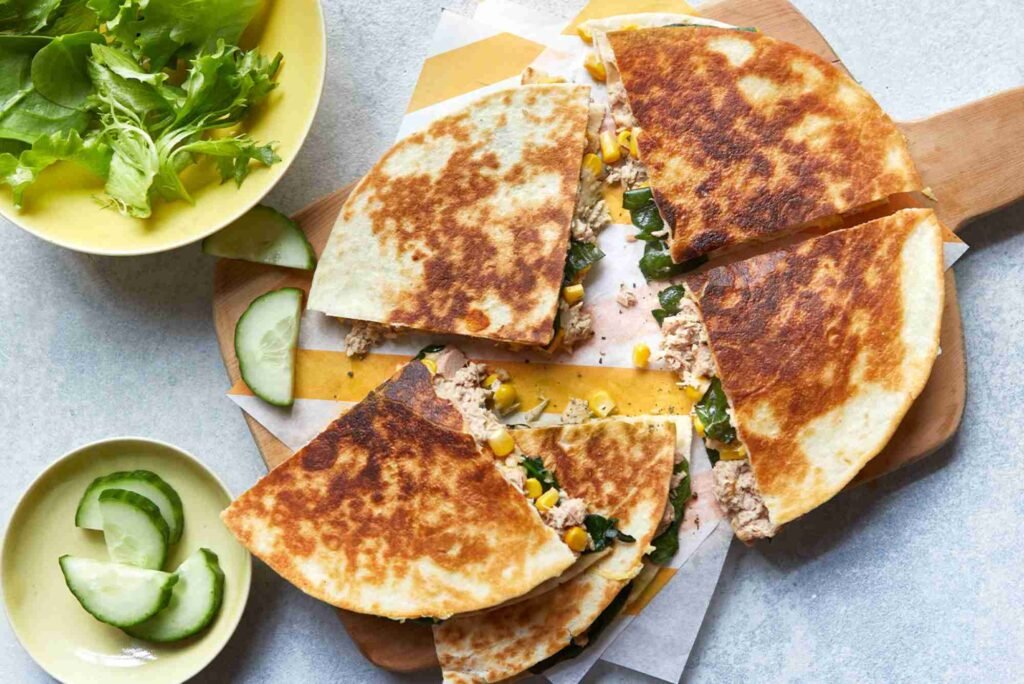
Wraps are a creative lunch option. Using whole-grain tortillas filled with lean meats, cheese, and fresh veggies makes them easy to hold and fun to eat. Pasta salads made with whole-grain pasta, cherry tomatoes, cucumbers, and a light dressing can be both filling and refreshing. For picky eaters, homemade nuggets made from chicken or fish are healthier than store-bought options and can be paired with sweet potato fries or steamed vegetables. Including small portions of fruits, nuts, or yogurt can add variety and extra nutrients, making lunch more enjoyable.
Wholesome Snacks That Keep Energy Up
Snacks are an important part of a child’s diet, providing energy between meals. Healthy snack ideas should be simple, tasty, and easy to prepare. Finger foods work best, as children enjoy eating with their hands.
Fruit slices paired with nut butter or yogurt make a sweet and satisfying snack. Vegetables can also be fun when presented creatively; cucumber sticks, cherry tomatoes, or carrot sticks served with hummus or a mild dip encourage children to enjoy their vegetables. Small portions of cheese, boiled eggs, or whole-grain crackers provide protein and keep children feeling full until the next meal. Smoothie popsicles or yogurt parfaits are perfect for warmer days, combining nutrition with a treat-like experience. Keeping snacks colorful and varied ensures children remain interested and satisfied.
Dinners That Balance Nutrition and Flavor
Dinner is the final opportunity to provide a balanced meal while maintaining excitement around food. Family dinners can include a variety of proteins, grains, and vegetables prepared in ways that appeal to children’s tastes.
Stir-fried vegetables with lean meats or tofu can be cooked with minimal oil and light seasonings for a flavorful yet healthy dish. Homemade pizzas using whole-grain bases, tomato sauce, and a variety of toppings allow children to participate in preparation, making them more likely to enjoy the meal. Casseroles or baked dishes incorporating vegetables, grains, and proteins are not only nutritious but also convenient for busy families. The key is to offer a variety of flavors and textures, ensuring children get essential nutrients without feeling restricted.
Tips to Make Healthy Meals Fun
Encouraging children to enjoy healthy meals often requires more than just offering nutritious food. Making mealtime interactive and playful can increase their willingness to try new foods. Using cookie cutters to create fun shapes from sandwiches or vegetables can turn an ordinary meal into an exciting experience. Involving kids in meal preparation allows them to feel a sense of accomplishment and ownership, which makes them more likely to eat what they helped create. Presenting meals as “build-your-own” options, like tacos or rice bowls, gives children the freedom to explore flavors while still including healthy ingredients. Praise and encouragement are equally important, as positive reinforcement helps children associate healthy eating with enjoyment.
Incorporating Superfoods Naturally
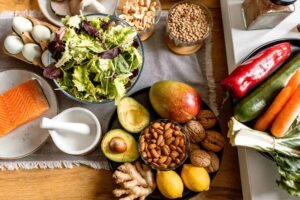
Superfoods are nutrient-rich ingredients that can boost immunity and overall health. Integrating them into children’s meals doesn’t have to be complicated. Berries, spinach, kale, quinoa, and avocado are examples of superfoods that can be seamlessly included in everyday dishes. Smoothies, sandwiches, salads, or even pasta dishes can hide these powerhouse ingredients without altering taste significantly. By gradually introducing superfoods and combining them with familiar flavors, children develop a natural preference for nutrient-dense foods.
Hydration and Healthy Drinks
Hydration is often overlooked, yet it plays a crucial role in children’s health. Water should always be the primary drink, but milk provides essential calcium and vitamins. Limiting sugary beverages is important, as they contribute to weight gain and tooth decay. Infusing water with fruits or herbs can make it more appealing, encouraging children to drink more without added sugar. Smoothies made with yogurt and fruit can serve as a nutritious alternative to sugary drinks, combining hydration with essential nutrients. Teaching children to enjoy water and healthy beverages early on establishes lifelong habits.
Creating healthy kids meal ideas that children love requires balance, creativity, and patience. Combining nutrition with fun presentation ensures that children enjoy their meals while receiving essential nutrients. By incorporating colorful fruits and vegetables, whole grains, lean proteins, and healthy drinks, parents can provide meals that support growth, energy, and overall well-being. Engaging children in meal preparation and offering a variety of textures and flavors encourages them to develop a positive relationship with food. Healthy meals don’t have to be a struggle; with these ideas, mealtime can become a joyful, nourishing experience for the entire family.
Encourage your children to explore different foods, experiment with colorful ingredients, and participate in creating meals. Start small, keep it fun, and watch as your kids develop healthy eating habits that will last a lifetime.
Maintaining a healthy lifestyle starts with proper nutrition. Learning how to build a balanced diet for better health can improve energy, immunity, and overall well-being. Discover practical tips and strategies to create meals that nourish your body effectively here.
FAQs
What are easy healthy meals for kids?
Simple meals like scrambled eggs with vegetables, fruit smoothies, whole-grain wraps, and pasta with hidden veggies are easy and nutritious options.
How can I make vegetables appealing to kids?
Present vegetables in fun shapes, colorful arrangements, or paired with tasty dips. Involving kids in cooking also increases their interest.
What snacks are healthy for kids?
Fruits, yogurt, cheese, whole-grain crackers, and veggie sticks with hummus are ideal snacks that provide energy and essential nutrients.
How do I encourage my child to eat new foods?
Introduce new foods gradually, combine them with familiar favorites, and make tasting a fun, positive experience. Praise efforts rather than results.
Can kids enjoy healthy meals without sugar?
Yes, naturally sweet fruits, yogurt, and creative seasonings can satisfy taste preferences while maintaining low sugar content.
Transforming Industrial Paradigms
Over the past decade, rapid technological maturation has dismantled traditional boundaries. Industry pioneers are prioritizing sustainable materials, optical network efficiency, and adaptive user interfaces.

Modernist architectural integration exemplifying passive solar cooling and sustainable timber frame structures.
The Horizon Ahead
As we look forward to the remainder of 2026, the convergence of artificial intelligence, high-efficiency energy systems, and refined physical design promises to elevate human potential to unprecedented heights.