

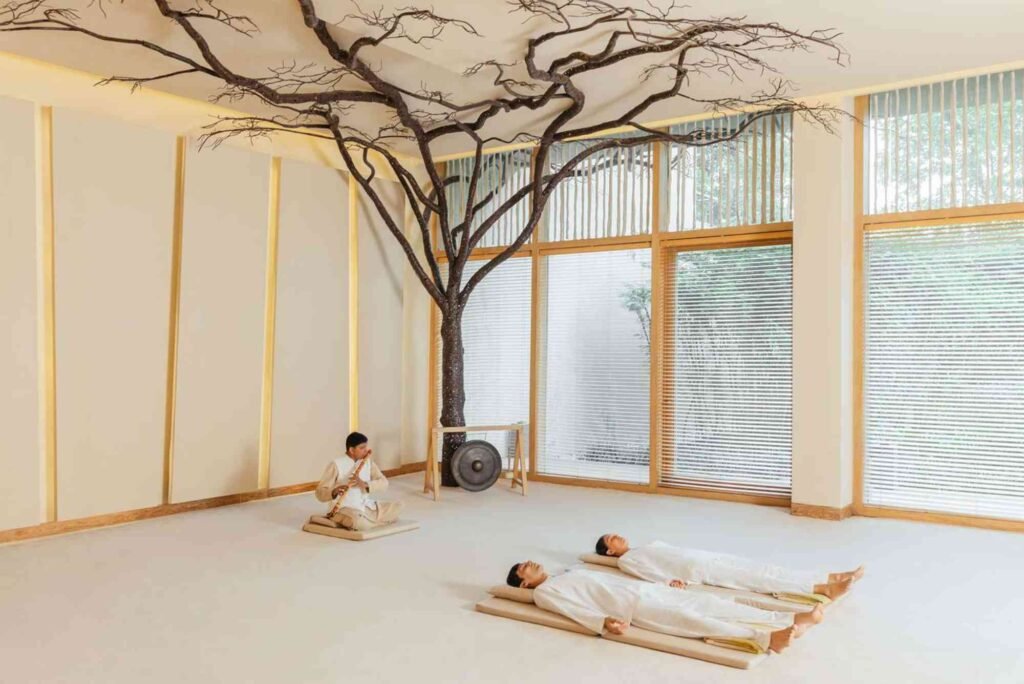
Introduction
In today’s fast-paced world, finding inner peace can be challenging. Busy schedules, constant notifications, and daily stress leave little room for reflection. A spiritual retreat offers a sanctuary where you can disconnect from distractions and reconnect with yourself. The most peaceful places for a spiritual retreat provide serene environments, natural beauty, and opportunities for meditation and self-discovery. Whether you are seeking solitude, spiritual guidance, or a deeper connection with nature, these retreats offer the perfect setting to rejuvenate your mind, body, and soul.
Why Choose a Spiritual Retreat
A spiritual retreat is more than just a vacation. It is a dedicated time to step away from your daily routine and focus on personal growth. Retreats allow you to practice mindfulness, meditate, and explore your inner thoughts without interruption. Many retreats also offer guidance from experienced spiritual teachers or practitioners who help you navigate your journey. By immersing yourself in a calm and nurturing environment, you can gain clarity, reduce stress, and develop a deeper understanding of your purpose. The benefits extend beyond the retreat itself, often leading to lasting changes in lifestyle and mindset.
Elements of a Peaceful Retreat
The most peaceful retreats share certain qualities that make them ideal for reflection and renewal. Natural surroundings, such as forests, mountains, rivers, or oceans, create a calming atmosphere. Minimalist accommodations without distractions allow you to focus fully on your inner experience. Many retreats include structured programs such as yoga, meditation, or spiritual workshops to guide your practice. Silence, solitude, and mindful routines enhance the sense of tranquility. A supportive community of like-minded individuals can provide comfort and encouragement, though some retreats are designed for solitary reflection. Choosing a retreat with these elements ensures you experience true peace and spiritual growth.
Retreats Surrounded by Nature
Immersing yourself in nature can be one of the most effective ways to restore balance. Forest retreats offer the soothing sounds of rustling leaves and birdsong, providing a natural backdrop for meditation. Mountain retreats bring fresh air, breathtaking views, and the sense of being above daily worries. Oceanfront retreats allow you to listen to waves and feel the sand beneath your feet, creating a rhythm that aligns with your breathing. Waterfalls, rivers, and lakes are also common features in spiritual retreats, symbolizing purity and renewal. Connecting with nature deepens your spiritual experience, offering a sense of unity with the world around you.
Ancient and Cultural Retreats
Many spiritual retreats are located near historical or sacred sites. Temples, monasteries, and ancient ashrams offer a rich cultural context that enhances reflection. Being in a place steeped in spiritual history can inspire awe and devotion. Some retreats provide teachings in meditation, philosophy, and traditional rituals, giving participants an opportunity to engage with centuries-old wisdom. These retreats often combine contemplative practices with cultural immersion, allowing you to explore spirituality from multiple perspectives. Choosing a retreat with historical significance can deepen your practice and provide a sense of continuity with ancient traditions.
Wellness-Focused Spiritual Retreats
Spiritual retreats often integrate wellness practices that support both mind and body. Yoga, tai chi, and guided meditation sessions are common, promoting flexibility, strength, and mental clarity. Healthy, plant-based meals nourish the body and complement spiritual practices. Some retreats offer detox programs, mindful eating workshops, or stress reduction techniques. Holistic therapies like acupuncture, massage, or aromatherapy can enhance relaxation and help release tension. These retreats emphasize the connection between physical health and spiritual well-being, ensuring a comprehensive approach to personal growth.

Solitude and Silence
Silence is a powerful tool for self-discovery. Retreats emphasizing solitude and quiet allow you to reflect without external distractions. Spending time alone encourages introspection, helping you identify patterns, beliefs, and emotions that influence your life. Silent meditation sessions and digital-free zones further enhance the experience. Solitude also fosters creativity and problem-solving, as the mind can wander freely without constant stimulation. Retreats that prioritize silence give you the chance to listen to your inner voice, uncover hidden insights, and cultivate a sense of peace that lasts long after the retreat ends.
Accessible Spiritual Retreats
While remote retreats offer isolation, some peaceful retreats are accessible in urban or suburban areas. City retreats often focus on meditation, yoga, or mindfulness workshops while providing easy access to amenities. These retreats are ideal for individuals who cannot travel far but still seek spiritual growth. Even in bustling environments, carefully designed spaces can create an atmosphere of calm. Urban retreats may use soundproof rooms, indoor gardens, or dedicated meditation halls to provide a sanctuary. Accessibility ensures that spiritual development is possible for everyone, regardless of location or schedule constraints.
Choosing the Right Retreat
Selecting the most peaceful place for a spiritual retreat requires reflection. Consider your goals: do you seek solitude, guidance, or community? Evaluate the location, natural surroundings, and available programs. Accommodations should be comfortable yet simple, encouraging focus on your spiritual journey. Research reviews, talk to past participants, and ensure the retreat aligns with your beliefs and preferences. Budget, travel logistics, and the length of the retreat are practical considerations that influence your choice. The right retreat creates an environment where you can fully relax, explore your spirituality, and return home with renewed clarity and purpose.
Preparing for a Spiritual Retreat
Preparation enhances the retreat experience. Set clear intentions for your time away, whether it is meditation, self-reflection, or learning new practices. Minimize distractions before departure, including digital commitments and work responsibilities. Pack light, bringing only essentials that support your comfort and practice. Mentally prepare for solitude or structured schedules, especially if the retreat includes silence or intensive programs. Being open-minded and receptive allows you to fully embrace the retreat, making the most of this unique opportunity to reconnect with yourself.
Making the Most of Your Retreat
To gain the full benefits, approach your retreat with intention and mindfulness. Follow the daily schedule, participate in workshops, and engage in meditation sessions. Spend time in nature, breathe deeply, and practice gratitude. Journaling your experiences can provide insight and track your personal growth. Avoid distractions such as phones or social media, allowing yourself to be fully present. Remember that the retreat is a journey, not a task, and honor your own pace. By immersing yourself in the experience, you return home with a renewed sense of peace, clarity, and spiritual balance.
A spiritual retreat provides the perfect opportunity to step away from the noise of everyday life and focus on inner growth. The most peaceful retreats offer serene natural surroundings, wellness practices, cultural immersion, and spaces for solitude. By carefully choosing a retreat that aligns with your needs, preparing thoughtfully, and engaging fully, you can transform your spiritual journey. Whether seeking quiet reflection, guided practices, or cultural exploration, retreats provide an invaluable chance to recharge your mind, body, and soul. Begin your journey today and discover a place where peace, clarity, and spiritual fulfillment await. Start planning your spiritual retreat now. Explore serene locations, connect with your inner self, and embrace the path to lasting peace.
FAQs
What is the best place for a spiritual retreat?
The best place depends on your preferences. Natural settings like mountains, forests, or oceans, and historical or cultural sites, are ideal for reflection and relaxation.
How long should a spiritual retreat last?
Retreats can range from a weekend to several weeks. Even short retreats offer meaningful benefits, while longer retreats allow deeper reflection and transformation.
Do I need experience to attend a spiritual retreat?
No experience is required. Many retreats welcome beginners and provide guidance through meditation, yoga, or spiritual workshops.
Can I go on a solo retreat?
Yes, solo retreats are highly effective for self-reflection. They allow uninterrupted focus on personal growth and spiritual practice.
Are spiritual retreats expensive?
Costs vary based on location, accommodation, and program offerings. Budget-friendly options and scholarships are often available for those seeking meaningful experiences without high expense.
What should I pack for a spiritual retreat?
Bring comfortable clothing, meditation supplies, a journal, personal hygiene items, and any essentials that support your comfort and practice.
Transforming Industrial Paradigms
Over the past decade, rapid technological maturation has dismantled traditional boundaries. Industry pioneers are prioritizing sustainable materials, optical network efficiency, and adaptive user interfaces.

Modernist architectural integration exemplifying passive solar cooling and sustainable timber frame structures.
The Horizon Ahead
As we look forward to the remainder of 2026, the convergence of artificial intelligence, high-efficiency energy systems, and refined physical design promises to elevate human potential to unprecedented heights.