

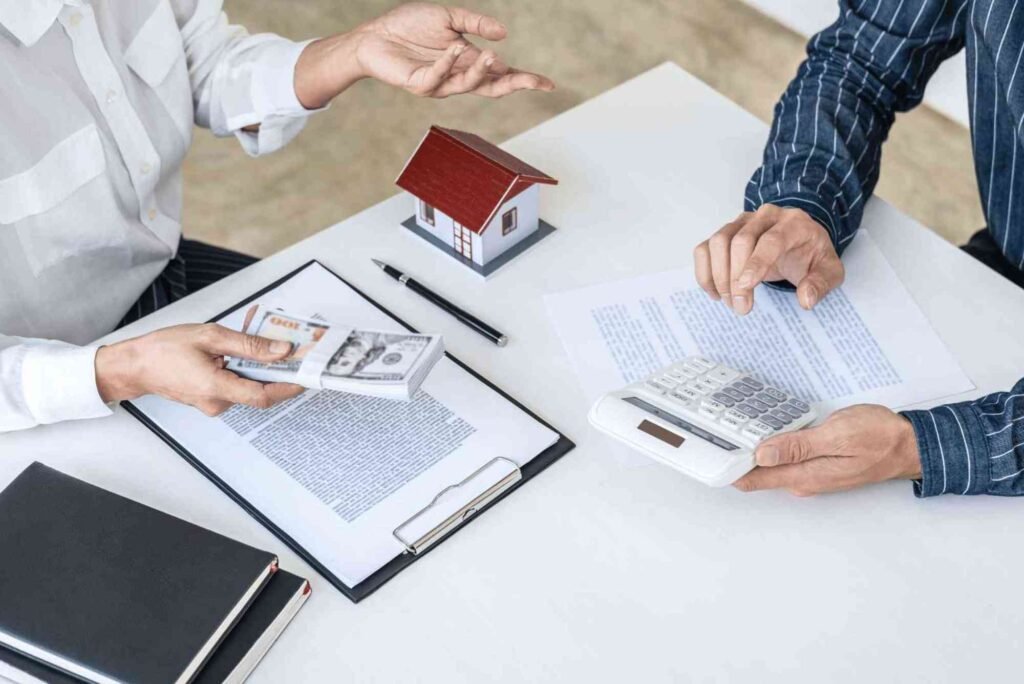
How to Negotiate a Better Deal in Real Estate
Buying or selling property is one of the biggest financial decisions many people make. Knowing how to negotiate a better deal in real estate can help you save money, protect your investment, and create a more successful transaction. A strong negotiation strategy allows buyers and sellers to understand market conditions, communicate effectively, and make smarter decisions.
Real estate negotiations are not only about lowering prices. They involve understanding property value, identifying opportunities, reviewing terms, and finding solutions that benefit both parties. Whether you are purchasing your first home, investing in property, or selling a house, negotiation skills can make a significant difference.
Why Negotiation Matters in Real Estate
Real estate prices are rarely fixed. Most property transactions include opportunities for discussion about price, closing dates, repairs, financing terms, and other conditions. Learning how to negotiate a better deal in real estate helps you approach these discussions with confidence.
A successful negotiation requires preparation and patience. Many people focus only on the asking price, but experienced buyers and sellers look at the complete agreement. A slightly higher price with better conditions may sometimes be more valuable than a lower offer with difficult terms.
Understanding negotiation gives you more control during the buying or selling process. It reduces emotional decisions and helps you focus on your long-term goals.
Research the Market Before Negotiating
The foundation of a successful real estate negotiation is proper research. Before making an offer or accepting one, study current market trends. Look at similar properties, recent sales, neighborhood demand, and average pricing.

When buyers understand the market, they can create realistic offers. Sellers can also set competitive prices and prepare stronger arguments for their asking price.
Market knowledge gives you confidence during discussions. Instead of making decisions based on emotions, you can support your position with facts and evidence.
Understand the Property’s True Value
One of the most important steps in learning how to negotiate a better deal in real estate is understanding property value. The listed price does not always represent the actual market worth.
Consider factors such as location, property condition, age, renovations, nearby facilities, and future development plans. These details influence the value of a property.
A professional inspection can also reveal hidden issues. For buyers, repair costs may become useful negotiation points. For sellers, completing necessary improvements before listing can strengthen their position.
Build a Strong Negotiation Strategy
A good negotiation strategy begins with clear goals. Decide what you want to achieve before entering discussions. Buyers should know their maximum budget, while sellers should understand their lowest acceptable offer.
Avoid revealing all your limits too early. Keeping some flexibility allows you to negotiate effectively.
Communication is also essential. A respectful and professional approach often creates better results than aggressive tactics. Both parties are more likely to reach an agreement when they feel understood.
Focus on More Than the Price
Many people believe real estate negotiation is only about reducing the purchase price. However, several other terms can influence the overall value of a deal.
Buyers can negotiate factors such as repair requests, payment schedules, closing dates, included appliances, or seller assistance with certain costs.
Sellers can negotiate based on buyer reliability, flexible timelines, and stronger financial qualifications. Sometimes the best offer is not the highest one but the one with fewer risks.
Use Property Conditions as Negotiation Opportunities
Property condition plays an important role in real estate negotiations. A home requiring repairs may provide buyers with opportunities to negotiate a better agreement.
Before requesting changes, buyers should understand which repairs are necessary and which are cosmetic. Reasonable requests are more likely to receive positive responses.
For sellers, addressing major problems before negotiations begin can prevent buyers from using those issues to reduce their offer.
Improve Your Communication Skills
Effective communication is a major part of how to negotiate a better deal in real estate. Successful negotiators listen carefully and ask the right questions.
Understanding the other party’s priorities can reveal valuable opportunities. For example, a seller may prefer a faster closing, while a buyer may prioritize a lower price.
Clear communication prevents misunderstandings and helps both sides work toward a practical solution.
Avoid Common Real Estate Negotiation Mistakes
Many negotiation problems happen because people act without proper preparation. One common mistake is making an unrealistic offer without considering market conditions.
Another mistake is allowing emotions to control decisions. Falling in love with a property can lead buyers to overpay, while sellers may reject reasonable offers because of personal attachment.
Successful negotiators remain patient and focus on facts. They know when to continue discussions and when to walk away from an unfavorable deal.
Work With Experienced Professionals
Real estate agents, brokers, and advisors can provide valuable support during negotiations. Their market knowledge and experience help clients understand opportunities and potential risks.
An experienced professional can identify negotiation points that buyers or sellers may overlook. They can also manage communication and help create a smoother transaction.
However, clients should still understand the process. A good advisor provides guidance, but informed decisions lead to stronger outcomes.
Timing Can Influence Negotiation Results
Timing is another important factor in real estate negotiations. Market conditions, seasonal demand, and seller motivation can affect the strength of your position.
For example, sellers who need to move quickly may be more open to negotiation. Buyers in a competitive market may need to create stronger offers to secure a property.
Understanding timing helps you choose the right approach and improve your chances of reaching favorable terms.
Prepare a Win-Win Approach
The best real estate negotiations create value for both sides. A win-win approach focuses on finding solutions rather than defeating the other party.
When both parties feel satisfied, the transaction is more likely to close successfully. Respect, flexibility, and problem-solving are key elements of successful negotiations.
Knowing how to negotiate a better deal in real estate means balancing your own goals while understanding the needs of the other party.
Frequently Asked Questions
What is the best way to negotiate a real estate deal?
The best way to negotiate a real estate deal is to research the market, understand property value, set clear goals, and communicate professionally. Preparation gives you a stronger position during discussions.
How much can you negotiate on a house price?
The amount you can negotiate depends on market conditions, property demand, seller motivation, and the condition of the home. Some properties have more flexibility than others.
Should buyers always offer below the asking price?
Buyers do not always need to offer below the asking price. A strong offer based on market research and property value is often more effective than an unrealistic low offer.
What should I avoid during real estate negotiations?
Avoid emotional decisions, poor preparation, unrealistic demands, and ignoring important contract terms. Staying informed helps you make better choices.
Can a real estate agent negotiate a better deal?
Yes, experienced real estate agents can negotiate effectively because they understand market trends, pricing strategies, and transaction processes. Their expertise can help clients achieve better results.
Discover valuable insights, expert tips, and trending topics across various categories with Uptogrime. Whether you are looking for informative guides, practical advice, or fresh ideas, Uptogrime provides engaging content designed to keep readers updated and informed. Explore quality articles covering lifestyle, business, technology, and more while staying connected with reliable information. Visit the website to discover useful resources and enjoy a better reading experience.
Conclusion
Learning how to negotiate a better deal in real estate can help buyers and sellers make smarter financial decisions. Successful negotiation requires research, preparation, communication, and a clear understanding of value.
Related Reading: Top Real Estate Strategies for Rental Income
Related Reading: Best Locations to Consider for Property Investment — full guide
Related Reading: Top Real Estate Advice for First Time Investors — full guide
Transforming Industrial Paradigms
Over the past decade, rapid technological maturation has dismantled traditional boundaries. Industry pioneers are prioritizing sustainable materials, optical network efficiency, and adaptive user interfaces.

Modernist architectural integration exemplifying passive solar cooling and sustainable timber frame structures.
The Horizon Ahead
As we look forward to the remainder of 2026, the convergence of artificial intelligence, high-efficiency energy systems, and refined physical design promises to elevate human potential to unprecedented heights.