
Introduction
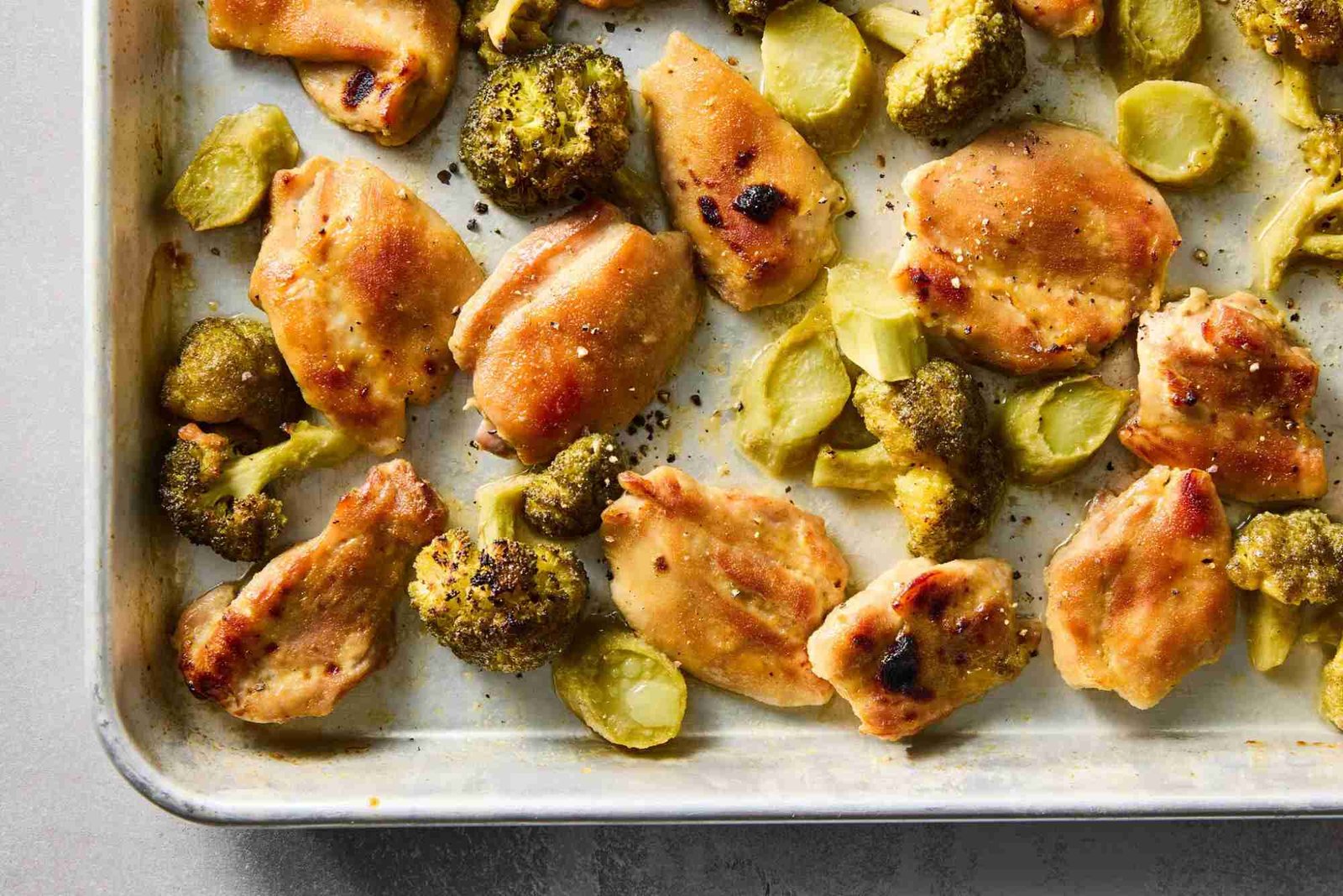
Eating is a sensory experience, and the appearance of food plays a big role in how enjoyable it feels. Even the simplest dishes can seem unappealing if they lack visual appeal. Learning how to make simple food look more appetizing is an art that blends color, texture, and presentation. With a few thoughtful techniques, you can elevate everyday meals into visually stunning dishes that excite the senses before the first bite.
Understanding the Importance of Food Presentation
Before diving into specific methods, it’s important to understand why food presentation matters. Humans are highly visual creatures. Research shows that we often “taste” with our eyes first, and a dish that looks appealing can influence our perception of flavor. Simple ingredients, like rice, vegetables, or grilled chicken, can appear more enticing with attention to detail. By focusing on plating, colors, and textures, even humble meals can feel luxurious and satisfying.
Use Color to Your Advantage
One of the easiest ways to make simple food more appealing is by incorporating a variety of colors. A plate that only features browns or whites can seem dull, even if it tastes amazing. Bright vegetables like red bell peppers, green broccoli, or orange carrots can transform the visual appeal of a dish. Garnishes such as fresh herbs, edible flowers, or a sprinkle of spices add contrast and interest. The key is balancing colors without overwhelming the dish. Complementary colors naturally draw attention and make food look more appetizing.
Focus on Texture
Texture adds another dimension to the eating experience. A meal that features only one texture can appear monotonous and uninviting. By combining crunchy, creamy, and tender elements, even simple foods gain sophistication. For example, adding roasted nuts to a salad or a drizzle of yogurt over roasted vegetables introduces texture and visual depth. Highlighting the natural textures of ingredients, like the crispiness of toasted bread or the juiciness of a tomato, makes food look fresh and appealing.
Plate with Purpose
Plating is more than just placing food on a plate; it’s about creating a visual story. Start with a clean plate and consider the arrangement of each component. Place the main element slightly off-center and build around it. Height can add interest, so stack items or layer ingredients rather than spreading them flat. Use negative space strategically; empty areas on the plate prevent overcrowding and emphasize the dish’s key elements. Small touches, like a drizzle of sauce in a pattern or a carefully positioned garnish, make a huge difference.
Pay Attention to Proportions
Even simple dishes can benefit from proper proportions. Balance protein, carbohydrates, and vegetables so the plate feels harmonious. Overcrowded plates can look messy, while underfilled plates may seem sparse. Visual balance helps make the dish feel thoughtfully prepared and more appetizing. The golden ratio often applies: roughly two-thirds of the plate filled with main ingredients, one-third with complementary sides or garnishes. Keeping portions in mind ensures the meal looks intentional and pleasing to the eye.
Utilize Fresh Ingredients
Freshness is visually obvious and directly impacts how appetizing food appears. Vibrant greens, glossy tomatoes, and firm fruits immediately suggest quality. Wilting vegetables or dull ingredients make even the most flavorful meals appear lackluster. Whenever possible, prepare ingredients close to serving time to preserve color and texture. Fresh herbs, lemon wedges, and microgreens also act as visual enhancers, adding pops of color and a sense of vibrancy.
Add a Touch of Creativity
Presentation allows room for creativity, even with everyday ingredients. Simple food becomes more exciting when you experiment with shapes, layering, or unexpected pairings. Rolling sliced vegetables into spirals, using cookie cutters for fun shapes, or creating a patterned sauce drizzle can make ordinary dishes captivating. These small details signal care and attention, making the meal more inviting and appetizing.
Master the Use of Sauces and Garnishes
Sauces and garnishes are not just for flavor—they are powerful visual tools. A swipe of sauce, a drizzle of dressing, or a sprinkle of spices creates contrast and draws the eye. Garnishes like chopped herbs, citrus zest, or toasted seeds provide texture, color, and sophistication. Avoid overloading the plate; subtle, purposeful touches work best. When applied thoughtfully, these elements turn simple meals into visually stunning presentations that look restaurant-worthy.
Consider Dishware and Presentation Environment
The choice of plate, bowl, or serving dish affects how the food is perceived. White plates highlight color and contrast, while dark plates can create dramatic elegance. Using bowls, ramekins, or wooden boards can add interest and variation. Even the surrounding environment—table settings, napkins, and lighting—enhances the perception of food. Simple meals served thoughtfully feel more luxurious and appetizing when the entire presentation is considered.
Lighting Makes a Difference
Lighting affects how appetizing food appears. Natural light brings out the true colors and textures of ingredients, while harsh artificial light can flatten the visual appeal. For home presentation or photography, place plates near a window or use soft, diffused lighting. Shadows and highlights add dimension, making even simple food look appealing and fresh. Proper lighting can be the difference between a dish that looks plain and one that invites a second glance.
Avoid Clutter and Focus on Simplicity
While creativity is important, simplicity often delivers elegance. Overdecorating a plate or adding too many elements can distract from the main ingredients. Focus on highlighting the star of the dish and complement it with subtle accents. Minimalist plating emphasizes quality and freshness, making simple food look intentional and appetizing. Remember, less is often more when aiming for visual appeal.
Emphasize Freshly Prepared and Warm Food
Serving food at the right temperature enhances both taste and appearance. Warm meals steam slightly, creating a sense of freshness and comfort. Chilled dishes glisten when properly presented, signaling crispness. Immediate serving after preparation maintains texture and color, making food look more appetizing. Timing matters: freshly prepared food always appears more vibrant and inviting than items that have sat for too long.
Transforming simple meals into visually appealing dishes doesn’t require expensive ingredients or complex recipes. By focusing on color, texture, plating, proportion, and creativity, you can elevate everyday food into an appetizing experience. Attention to detail, fresh ingredients, and proper presentation make a significant difference. Start small, experiment with these techniques, and watch your meals become both a feast for the eyes and the palate.
Discover a variety of delicious and easy-to-make meals with our Top Food Recipes for Family Dinner Nights. From hearty pastas to flavorful casseroles, these recipes bring everyone together around the table. Perfect for busy evenings, each dish is simple, wholesome, and loved by both kids and adults. Make your family dinners memorable with tasty, home-cooked meals that are quick to prepare and full of flavor.
FAQ
How can I make plain food look attractive?
Use color contrast, fresh ingredients, and thoughtful plating. Simple garnishes and sauces enhance appeal.
Are garnishes necessary for simple dishes?
While optional, garnishes like herbs, citrus zest, or seeds elevate presentation and attract the eye.
Does plating really affect taste?
Yes. Humans perceive food more positively when it looks appealing, which can enhance overall enjoyment.
Can I make food look good without expensive tools?
Absolutely. Focus on colors, textures, clean plating, and creativity—no fancy tools required.
How important is lighting for presentation?
Very important. Proper lighting highlights textures and colors, making simple food appear fresh and appetizing.