
Introduction
Cooking like a professional chef at home is not just about following recipes; it’s about understanding flavors, techniques, and kitchen tools. Many people think that professional cooking is only possible in a commercial kitchen, but with the right approach, anyone can elevate their home cooking to restaurant-level quality. By mastering essential skills, using the right equipment, and adopting expert techniques, you can create dishes that impress family and friends while enjoying the process.
Mastering the Basics of Professional Cooking
Before diving into complex dishes, it’s essential to focus on fundamental skills. Professional chefs spend years refining these basics, which form the backbone of every successful meal. Understanding knife skills, for example, allows you to chop vegetables efficiently and consistently, which not only improves the appearance of your dishes but also ensures even cooking. Learning proper seasoning techniques, such as layering flavors with salt, herbs, and spices, transforms ordinary meals into memorable culinary experiences.
Temperature control is another critical skill. Professional chefs know that cooking meat at the correct temperature affects its texture, taste, and juiciness. Using a digital thermometer at home ensures precision and avoids the frustration of overcooked or undercooked food. Similarly, mastering sautéing, roasting, and simmering techniques helps you handle a variety of ingredients confidently.
Investing in the Right Kitchen Tools
A professional chef’s kitchen is equipped with tools designed for efficiency and precision. While you don’t need to purchase every expensive gadget, having quality essentials makes a significant difference. A sharp chef’s knife, for instance, is invaluable and outperforms any budget knife. Similarly, investing in durable cookware such as stainless steel pans and cast-iron skillets allows for better heat distribution, improving the flavor and texture of your dishes.
Small tools like kitchen tongs, immersion blenders, and digital scales contribute to professional results by providing control and accuracy. Chefs often rely on mise en place—a system of organizing ingredients before cooking—to streamline the process. Adopting this approach at home reduces stress, keeps your workspace clean, and ensures every ingredient is ready at the right time.
Understanding Ingredients and Flavor Profiles
Professional chefs have a deep understanding of ingredients and how they interact. They know that fresh, high-quality ingredients are the foundation of a great dish. Using seasonal produce, high-quality meats, and fresh herbs elevates home-cooked meals instantly. Understanding the balance of flavors—sweet, sour, salty, bitter, and umami—is also essential. Professional chefs layer these tastes to create depth and complexity in every bite.

Experimenting with herbs, spices, and acid can transform a dish. For example, adding a squeeze of lemon to roasted vegetables brightens flavors, while finishing a soup with a drizzle of cream or olive oil enhances richness. Professional cooking also emphasizes texture, combining creamy, crunchy, and tender elements to create a more satisfying eating experience.
Mastering Cooking Techniques
Cooking techniques distinguish professional chefs from amateur cooks. Learning the science behind each method improves consistency. For instance, searing meat at high heat locks in juices, while slow-cooking tougher cuts tenderizes them without losing flavor. Blanching vegetables preserves color and nutrients, and deglazing pans captures concentrated flavors for sauces.
Baking also requires precision, where measuring ingredients accurately and understanding temperature control is crucial. Techniques like folding, whisking, and tempering are essential for achieving professional results. Even simple tasks such as cooking pasta or rice to the perfect texture require attention to timing and technique. Practicing these skills repeatedly develops intuition, which is how professional chefs can confidently adjust flavors and textures.
Plating and Presentation
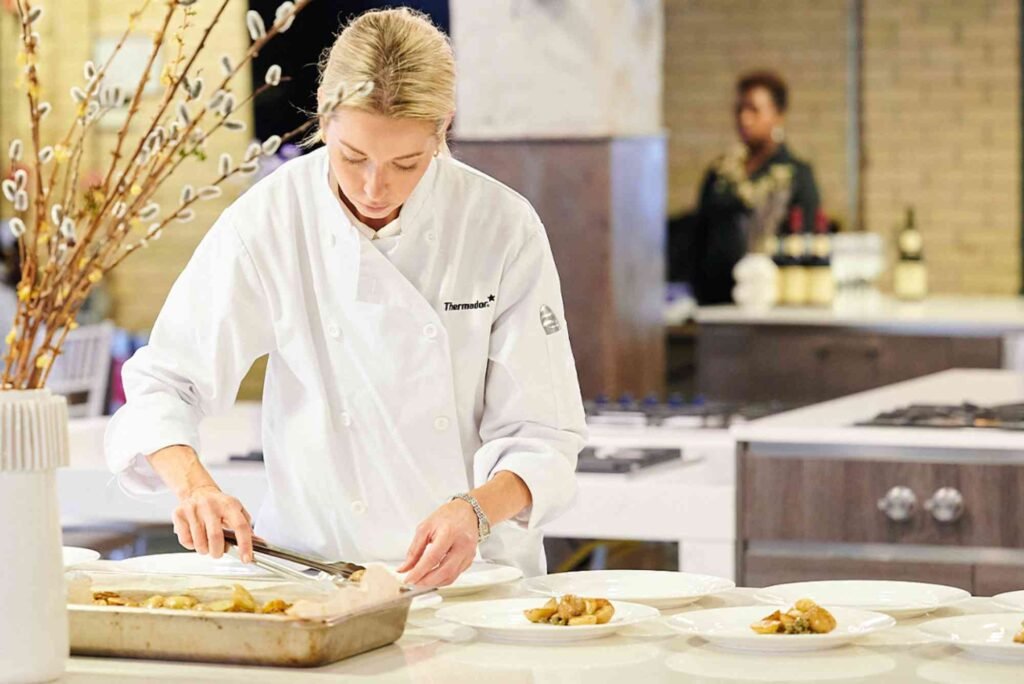
A dish’s taste is important, but presentation completes the experience. Professional chefs consider how colors, textures, and shapes interact on the plate. Simple plating techniques, such as stacking ingredients or using garnishes thoughtfully, can make a home-cooked meal feel like it belongs in a high-end restaurant. Paying attention to portion size, symmetry, and contrast adds elegance without requiring advanced skills. Using white plates often enhances colors, while sauces and drizzles can be applied artistically to elevate visual appeal.
Time Management and Organization
Professional kitchens operate on efficiency. Learning to manage time effectively allows home cooks to prepare multiple components without stress. Prepping ingredients ahead of time, organizing your workspace, and planning cooking order ensures smooth execution. Chefs often work on multiple dishes simultaneously, which might seem daunting at home, but breaking tasks into steps makes it achievable. Knowing which dishes can be cooked ahead of time and which should be served fresh is a key strategy to mimic professional cooking.
Experimenting and Building Confidence
Cooking like a professional involves experimentation and confidence. Professionals often adjust recipes based on taste, available ingredients, and creativity. Don’t be afraid to modify recipes at home, swap ingredients, or try new techniques. Each mistake is a learning opportunity that enhances your skills. With practice, intuition develops, allowing you to season perfectly, balance flavors, and make split-second decisions like a chef. Confidence grows when you understand how each ingredient behaves and how to troubleshoot common cooking challenges.
Learning From Professionals
One of the most effective ways to improve is by observing professional chefs. Cooking shows, online tutorials, and culinary classes provide insight into techniques and workflows. Take note of their approach to mise en place, seasoning, and plating. Even at home, mimicking professional habits such as tasting throughout cooking or cleaning as you go can improve efficiency and results. Over time, these habits become second nature, allowing you to cook with the skill and ease of a professional chef.
Maintaining Cleanliness and Safety
Professional kitchens adhere to strict cleanliness and safety standards. Applying these principles at home ensures both health and efficiency. Always sanitize surfaces, wash hands frequently, and store ingredients correctly. Using separate cutting boards for meats and vegetables prevents cross-contamination, while understanding safe cooking temperatures avoids foodborne illnesses. A clean, organized kitchen reduces stress, prevents accidents, and allows you to focus fully on the cooking process.
Enhancing Your Recipes With Creativity
Professional chefs don’t just follow recipes—they innovate. Creativity in cooking can be expressed through flavors, textures, and presentation. At home, try experimenting with fusion dishes, unusual ingredient pairings, or unexpected spices. Adding your personal touch to traditional recipes makes them unique and memorable. Developing a signature style, even at a home level, adds confidence and enjoyment to your cooking journey.
Cooking like a professional chef at home is achievable with practice, dedication, and attention to detail. Mastering basic skills, investing in essential tools, understanding ingredients, refining techniques, and focusing on presentation are all part of the journey. By managing time, staying organized, experimenting, and learning from professionals, you can consistently create restaurant-quality meals in your own kitchen. Start applying these principles today and transform your cooking experience into an art form that delights both you and your loved ones.
Enhance your culinary skills by embracing these professional techniques and discover the joy of home-cooked meals that rival restaurant quality.
Discover quick and delicious meals with our guide to 10 Healthy Recipes You Can Make in Under 15 Minutes. Perfect for busy lifestyles, these recipes are nutritious, easy, and ready in no time. Check out the full collection and start cooking healthy today: 10 Healthy Recipes You Can Make in Under 15 Minutes.
FAQs
What are the essential skills to cook like a professional chef at home?
Knife skills, seasoning, temperature control, and understanding basic cooking techniques are essential.
Do I need expensive tools to cook professionally at home?
Not necessarily. High-quality essential tools like a chef’s knife, durable cookware, and digital scales are sufficient.
How can I improve my plating skills at home?
Focus on color contrast, textures, portion control, and simple garnishing techniques for visual appeal.
Can I learn professional techniques online?
Yes, cooking shows, online tutorials, and culinary courses provide insights into techniques and workflows used by professionals.
How do I balance flavors like a professional chef?
Understand the five basic tastes, layer flavors thoughtfully, and taste as you cook to adjust seasoning.
Is it important to organize my kitchen like a professional?
Absolutely. Organization, mise en place, and time management ensure smooth cooking and professional results.
Transforming Industrial Paradigms
Over the past decade, rapid technological maturation has dismantled traditional boundaries. Industry pioneers are prioritizing sustainable materials, optical network efficiency, and adaptive user interfaces.

Modernist architectural integration exemplifying passive solar cooling and sustainable timber frame structures.
The Horizon Ahead
As we look forward to the remainder of 2026, the convergence of artificial intelligence, high-efficiency energy systems, and refined physical design promises to elevate human potential to unprecedented heights.